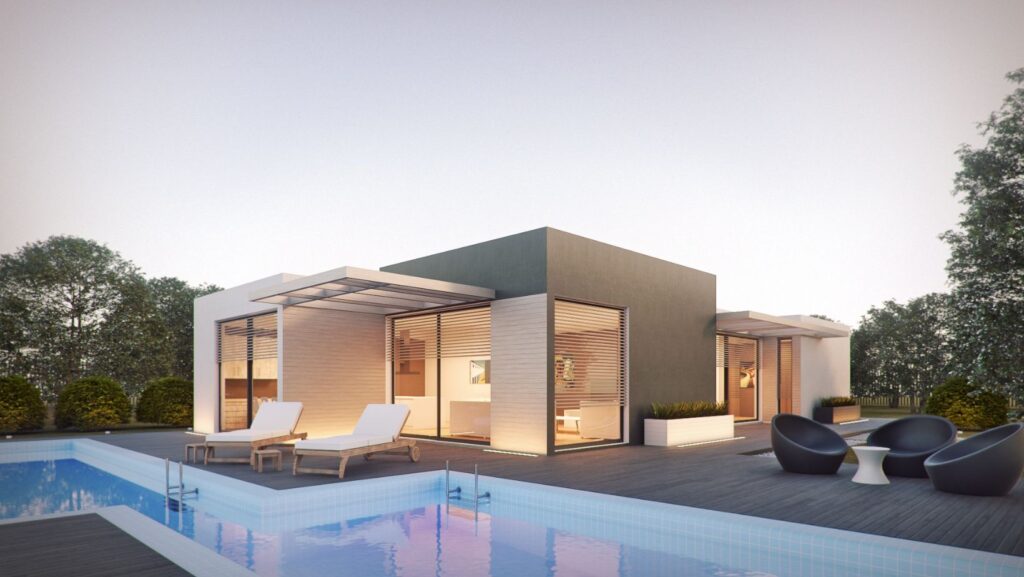
3D rendering services allow transforming 3D objects into photorealistic 2D visuals. Why would people do so?
The thing is, 3D rendering services help visualize products, their details, and how they will look in the environment before they are actually created. The pictures may then be used as visuals for marketing and sales, project coordination, and to demonstrate future products (such as buildings, furniture, and equipment) to clients for agreement on design.
For example, a real estate agency can order 3D rendering services to create final visuals of a building, which are later used to invite clients to invest in the project before the actual building is complete. Yet the uses of 3D rendering services go far beyond that.
In this article, we shall discuss 3D rendering services and different ways they help businesses with various visualization, advertising, and prototyping tasks.
Let’s get started!
How Do 3D Rendering Services Work?
In simple terms, 3D rendering is like taking a picture of a product that doesn’t yet exist. At the input, a computer has only a 3D model, such as a building, product, or car. Then, the desired appearance of the object is specified, including its surface texture, colors, and surrounding environment.
Then, the 3D artist uses specialised software to set up future image details: structures and materials, the source of light, its brightness, and temperature. At the next stage, it sets the viewing angle: whether the product should be in close-up, a wide shot, above, or below. The software then calculates how light bounces around the scenes, where the shadows fall, and produces the final, realistic imag,e which the 3D artist can refine further by setting up more properties
As a result, you receive a realistic picture of a 3D scene.
When working with 3D rendering services, the client has to submit a 3d model or give drawings or photos of a product, prepare a description of how the product should look and in what environment it should be, and add the preferred angles of view. Then the rendering services bring everything to life.
What Is 3D Product Animation?
3D product animation is the creation of a computer-generated video of a 3D object to show it in motion. To achieve this, a client also needs to create video scenarios that include camera paths, special effects, music, sound, and lighting. It is about creating a video of an object that doesn’t yet exist.
The main difference between the 3D product animation and a real video shoot is that the whole process is recreated digitally.
Both 3D rendering services and 3D product animation have many use cases across industries.
3D Rendering Use Cases
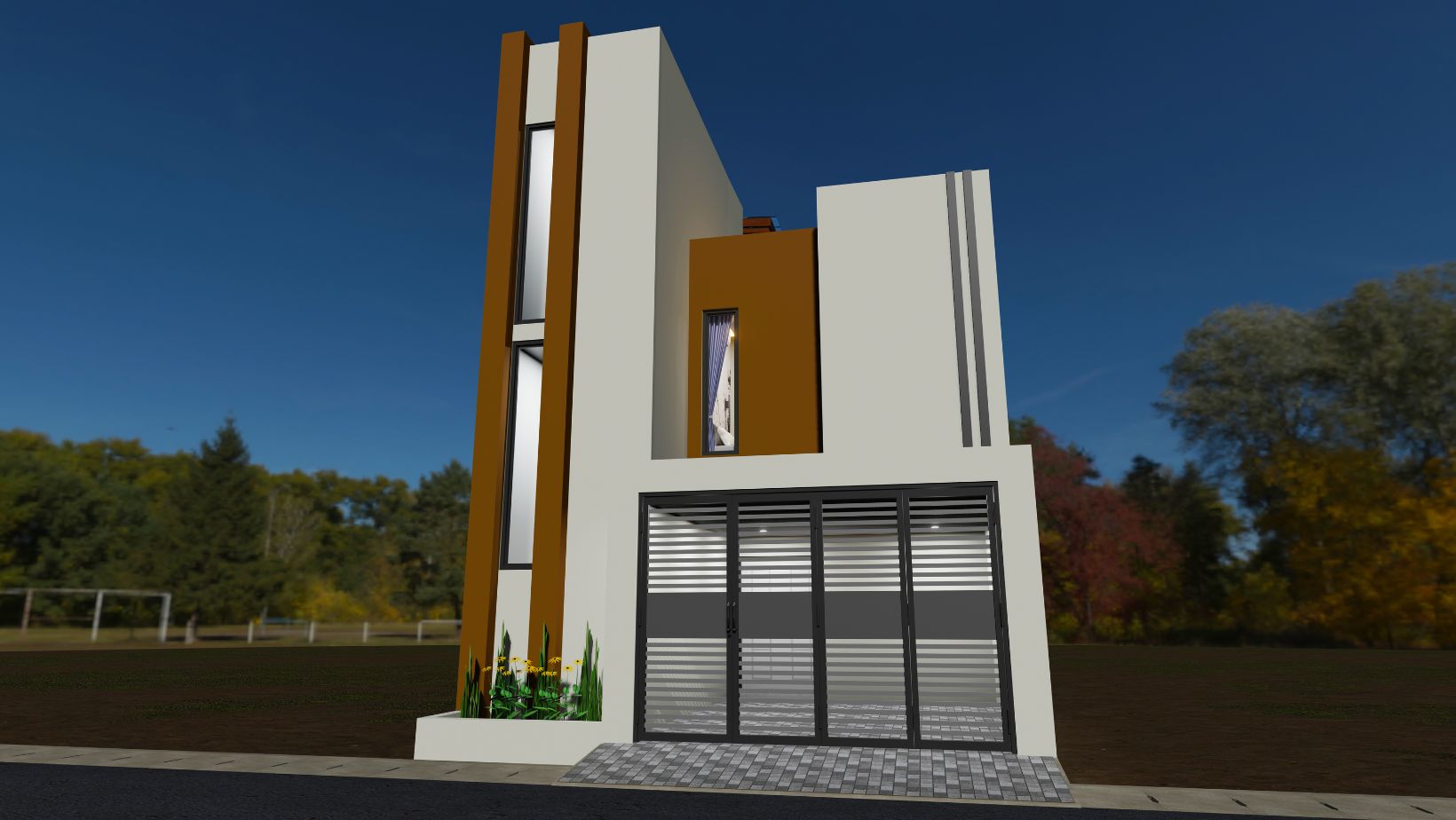
3D rendering services are used across various industries, including game development, product design and manufacturing, e-commerce, animation, interior design, architecture, and more.
In-game development
3D rendering and product animation are core to game development, as these are the key techniques that allow us to create immersive digital worlds with characters, cutscenes, cinematics, and environments that change in real time.
In product design and manufacturing
Consumer goods, furniture, and automotive manufacturers use 3D rendering services to create product prototypes, packaging design, marketing images before manufacturing, industrial design reviews, and advertising materials.
In e-commerce
3D rendering adds studio lighting and flexibility to product portrayal in e-commerce, eliminating the need for physical shoot. Further, such images are used as promotional materials, concept images, social media advertising, and more.
In filmmaking
Film and television studios use 3D rendering software to create CGI characters, visual effects, environments, set extensions, animated films, and more. For example, famous characters like Gollum in The Lord of the Rings and Thanos in Avengers were created with this technology.
Operators use 3D rendering for pre-visualization before filming. The technology allows them to sketch 3D scenes and test camera angles, lighting, and movement. This helps plan complex action and reduce production risks.
In interior design
In interior design, 3D rendering is used to visualize spaces before construction. Designers can create realistic room models with accurate lighting, textures, and materials to show clients how furniture, colors, and layouts will look in advance.
This helps designers explain ideas to final clients and avoid costly mistakes. On the client side, rendering lets you see polished final designs and an immersive preview of the space, giving them an idea of the final product before ordering.
In architecture
In architecture, 3D rendering helps visualize buildings before construction begins. It helps architects select between different variants of interior and exterior design and allows clients to see the chosen forms, colors, and materials in action.
Technology helps architects spot design issues before production and also simplifies marketing considerably, allowing developers to advertise their projects before construction and thus attract investment.
Other use cases
Besides the cases mentioned, 3D rendering is also used in medical and scientific fields, education, training, engineering, retail, and more.
For example, in medical equipment manufacturing, 3D rendering is used to design medical device prototypes or build scientific models for research. In retail, it is used for a 360-degree product preview or for creating the AR try-on features.
Summing up
3D rendering technology, which allows people to see and commercialize objects before they are built, plays a surprisingly important role in the modern economy, whether in the production of films or the construction of new cars. In the majority of use cases, any business today can benefit from 3D rendering.