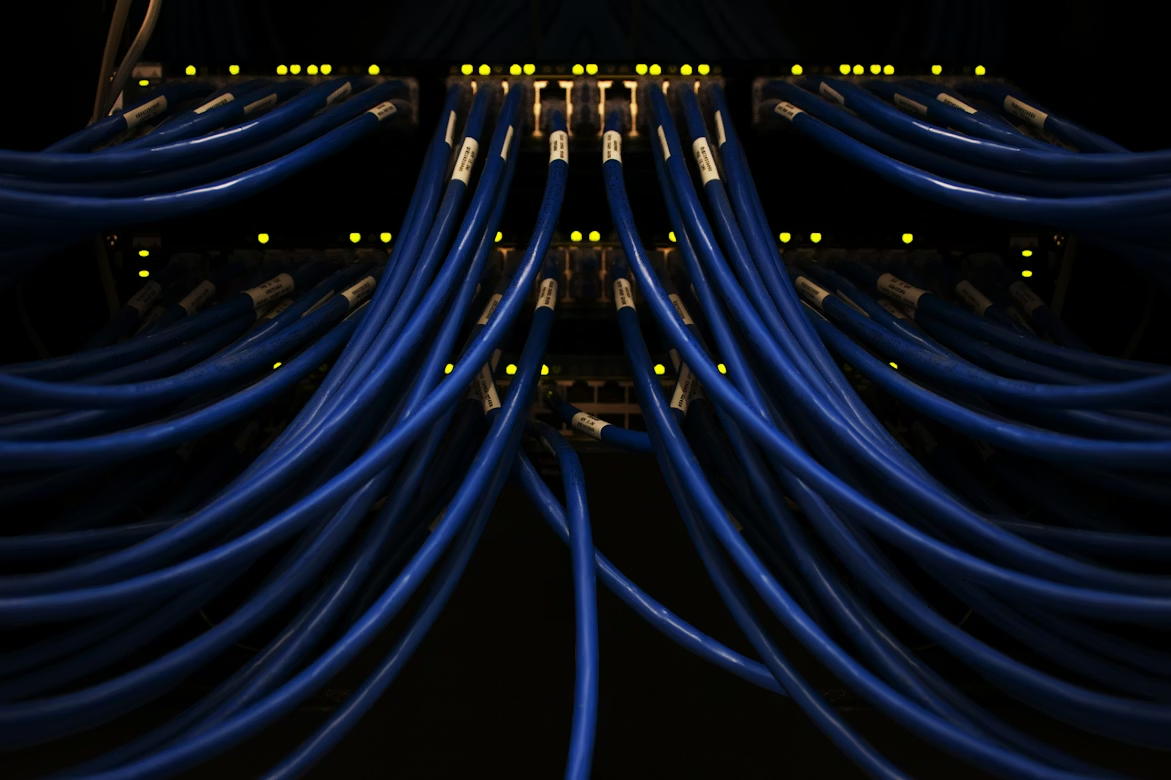
Data centers make everything digital run smoothly. Without them powering online services, cloud computing ceases to exist, AI applications shut down, and basically everything tech-related grinds to a halt.
Power is the common denominator between all of these scenarios…
According to the Uptime Institute, power is responsible for 45% of all major data center outages. If there is one thing that constantly wreaks havoc on uptime, it’s electrical distribution.
Luckily switchgear retrofitting exists to help reduce risk and increase equipment lifespan.
In this article:
- Why Switchgear Is Important for Data Centers
- Making the Case for Retrofitting Switchgear
- Components That Typically Require Updating
- Advantages of Upgrading Switchgear Technology
- How to Retrofit Switchgear Successfully
Why Switchgear is Important for Data Centers
Switchgear is any device that controls, protects, and isolates electrical equipment. It is what allows electricity to safely reach the tools and machines that keep modern society functioning.
But let’s think about this for data centers specifically…
If there is an issue with the switchgear, there goes power to thousands—if not millions—of dollars’ worth of equipment. Not only do data center managers have to deal with the loss of business and disgruntled customers, but destroyed equipment and equipment that must be replaced is often not covered by SLAs.
That’s why data centers require specialized equipment and power distribution methods. Partnering with a knowledgeable switchgear manufacturer can help ensure your switchgear retrofitting project meets the needs of your mission-critical facility. Updated switchgear can handle complex loads and provide the redundancies that today’s data centers need.
Including, but not limited to:
- Control power distribution to circuit breakers and electrical equipment
- Protect equipment against faults or power surges
- Isolate fault areas for safety and maintenance without affecting entire system
- Allow for maintenance to occur on energized equipment
Pretty crucial stuff.
Making the Case for Retrofitting Switchgear
While switchgear has a service life of anywhere from 20 to 40 years, that doesn’t mean your facility should wait until the switchgear stops working to make improvements.
Old switchgear can pose several problems as it reaches the end of its life.
Replacement parts become increasingly more difficult to find. Maintenance becomes more difficult. And the likelihood of failure increases as technology gets more advanced.
Switchgear retrofitting can mitigate these issues without having to go with a full scale rip-and-replace. Data center automatic transfer switches and switchgear market size is expected to reach $3.7 billion in 2024 and continue to grow at a rate of more than 10% year-over-year.
Here are just a few benefits of retrofitting versus full replacement:
- Cost – Retrofitting can save you 40-60% over new switchgear.
- Downtime – Switchgear retrofitting can usually be done faster than replacement.
- Infrastructure – There is no need to make changes to existing structures.
- Safety – Certifications are maintained when working with a licensed manufacturer.
If your data center cannot afford lengthy downtimes, switchgear retrofitting may be your only option.
Components That Typically Require Updating
Mother nature isn’t fair. Some components of switchgear don’t age as quickly as others. Because of this, certain parts fail years before the rest of your switchgear.
Typically the following parts need to be updated before others:
Breakers
As technology has evolved, so have circuit breakers. Old-school air-magnetic or oil breakers should be upgraded to vacuum or SF6 breakers. Both vacuum and SF6 breakers have faster operating times and less maintenance.
Protective Relays
Protective relays have been used for decades. But today, microprocessor-based relays are much better at protecting your switchgear. Digital relays also allow for faster isolation of faults and can monitor the status of your electrical equipment.
Controls
Programmable logic controllers, also known as PLCs, and their associated control equipment has an estimated operational life of 15–20 years. After 15 years, the parts required to repair or replace broken components become obsolete. New control systems allow for remote monitoring.
Arc Flash Protection
Updated arc-flash protection systems can detect an arc flash and isolate the problem within milliseconds. This helps to protect your employees and prevent damage to your equipment.
Advantages of Upgrading Switchgear Technology
Upgrading your switchgear technology provides a number of benefits.
Reliability
New switchgear technology comes with advanced monitoring capabilities. This allows you to detect issues before they cause an outage. Switchgear retrofitting also allows you to collect real-time data which can help you with preventative maintenance.
Energy Efficiency
Newer switchgear can also reduce the energy usage of your data center. This not only saves you money, but it is better for the environment.
Safety
New switchgear is built to current safety standards such as OSHA, NFPA 70E, and NEC. By retrofitting your switchgear, you can ensure your electrical equipment is up to date on all safety requirements. Don’t forget about installing arc-resistant switchgear to protect your employees.
Grid Integration
Switchgear technology today allows for renewable energy and grid integration. This is great for data centers that want to become more sustainable.
Longer Equipment Life
While switchgear typically lasts 20–40 years, retrofitting your switchgear can give it an additional 15–20 years. That’s almost half of its life again!

How to Retrofit Switchgear Successfully
Switchgear retrofitting can be tricky. If it’s not done correctly, you could be looking at some expensive mistakes.
Assess
The first step to retrofitting your switchgear is to assess what you currently have. Visually inspect your switchgear and perform any necessary testing. Make sure you have all of your documentation in order as well.
Design
Design your switchgear retrofit solution. You want to make sure you work with a certified engineer to design a solution that will work with your current load requirements as well as any future requirements you may have.
Certification
Speaking of certified, only purchase from manufacturers who can provide you with UL or NRTL certified retrofitting services. If you have someone come in and modify your switchgear that isn’t certified, you can void your insurance.
Install
Schedule your installation to occur during your next maintenance window. If possible, complete your retrofit in phases. By doing things this way, you will not disrupt your operations as much.
Test
Finally, make sure you perform all of your testing before closing out the project. Testing includes making sure all of your components are working properly. This includes protective relay coordination, breaker functionality, control system integration, etc.
Bottom Line
Switchgear retrofitting is a great way for data centers to increase reliability, stay up to date on safety standards, and increase energy efficiency. Instead of waiting for your electrical equipment to stop working, be proactive and upgrade as you’re able.
Plus…
The demand for data center space is not slowing down anytime soon. More and more workloads keep pushing to the cloud. AI continues to become a larger consumer of electricity. Digital transformation within organizations is real, and it’s here to stay.
And what’s the biggest cause of data center outages? Power.
Modernizing your switchgear helps you eliminate the weak link in the chain. Don’t wait until it’s too late. Assess your switchgear and start planning for your retrofit today.
About the Author