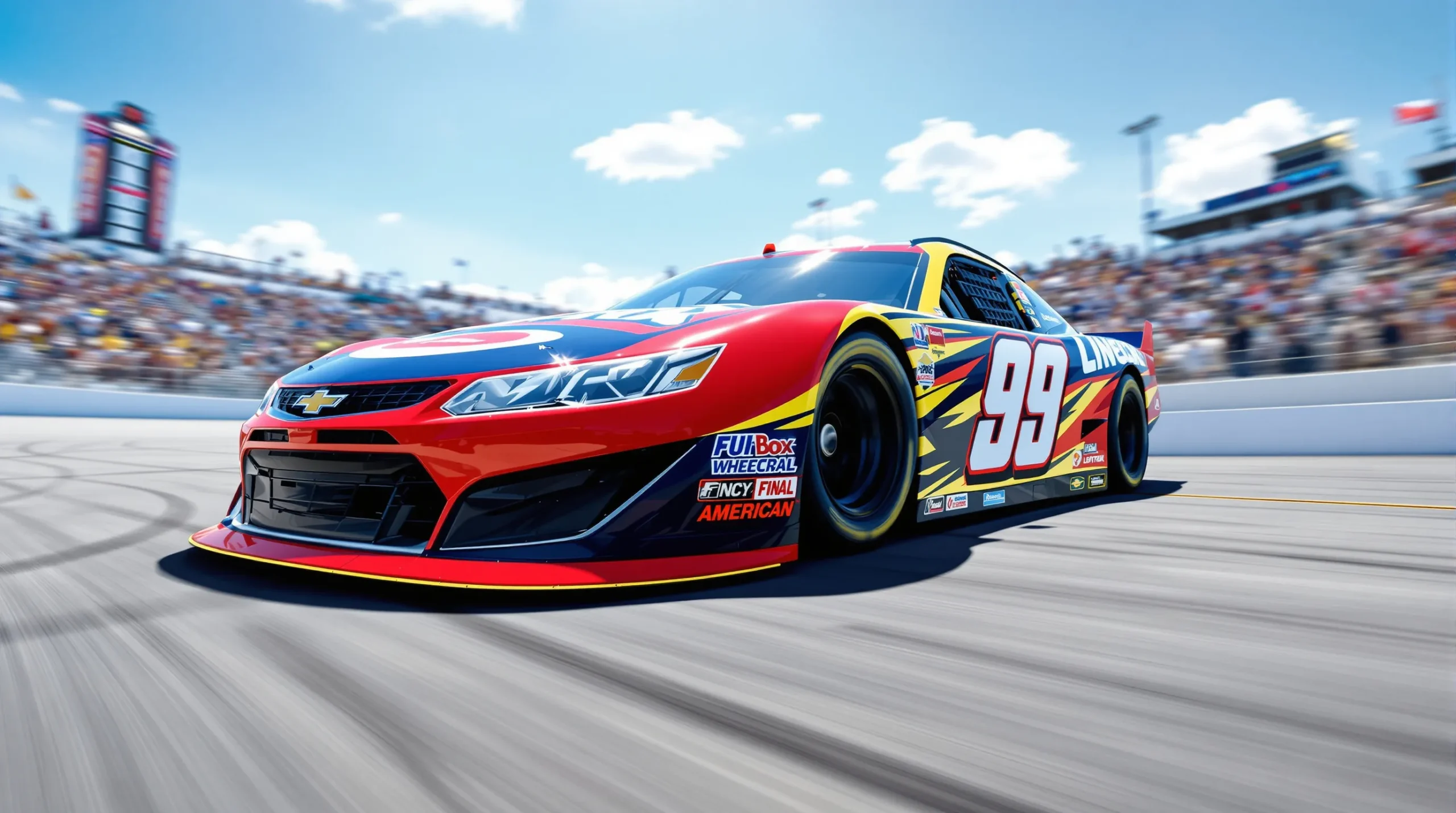
Picture this: You’re standing at the edge of a racetrack, the air thick with anticipation. Engines rumble, the crowd buzzes, and your eyes scan the field. What’s the first thing you notice? The racing numbers. They’re everywhere—on cars, bikes, jerseys—bold, bright, impossible to ignore. But here’s the part nobody tells you: racing numbers aren’t just for show. They shape the race, the story, and even the legacy of every competitor.
Why Racing Numbers Matter More Than You Think
If you’ve ever wondered why racing numbers get so much attention, you’re not alone. Most people see them as simple identifiers, but they’re loaded with meaning. Racing numbers carry history, strategy, and even superstition. They help fans connect with their heroes, let officials track every move, and sometimes, they even decide who wins or loses. Let’s break it down.
The Hidden Power of Racing Numbers
Instant Recognition
Think about the number 46 in MotoGP. Valentino Rossi made it iconic. Or the number 3 in NASCAR—forever linked to Dale Earnhardt. Racing numbers become shorthand for greatness. Fans wear them, paint them on signs, and shout them from the stands. If you’ve ever cheered for a number instead of a name, you know the feeling. Racing numbers turn competitors into legends.
Strategy and Psychology
Here’s something most people miss: racing numbers can mess with your head. Some teams pick numbers for luck. Others avoid certain digits because of bad history. In Formula 1, drivers now choose their own numbers for their entire careers. Lewis Hamilton picked 44 because it was his karting number as a kid. That’s not just nostalgia—it’s a mental anchor. When you see your number, you feel at home. You feel ready.
Organization and Fairness
Racing numbers keep chaos in check. Imagine a marathon with thousands of runners and no numbers. Total confusion. Numbers let officials track times, spot rule-breakers, and settle disputes. In endurance races, numbers help pit crews find their car in a blur of color and noise. Without racing numbers, the whole system falls apart.
Stories Behind the Numbers
Every racing number has a story. Sometimes it’s a tribute, sometimes a lucky charm, and sometimes it’s just the only one left. Here are a few that stand out:
- Number 7: Kimi Räikkönen’s favorite. He once said, “It’s the number I had last year and I see no reason to change it.” Simple, stubborn, classic Kimi.
- Number 23: Michael Jordan made it famous in basketball, but in racing, it’s a nod to underdogs. Teams pick it hoping some of that magic rubs off.
- Number 13: Most teams avoid it. Superstition runs deep. But some racers pick it to prove a point—to show they don’t believe in bad luck.
If you’ve ever picked a number for your own race, you know the pressure. Do you go with your birthday? Your favorite athlete’s number? Or do you roll the dice and hope for something special?
How Racing Numbers Shape Identity
Racing numbers aren’t just for the pros. Amateur racers, kids in go-karts, even weekend warriors at the local 5K—they all care about their numbers. Why? Because it’s personal. Your racing number is your badge. It’s how you stand out in a crowd. It’s how your friends spot you in a sea of helmets and jerseys.
Here’s a secret: some racers keep the same number for years, even decades. It becomes part of their story. Lose the number, and it feels like losing a piece of yourself. If you’ve ever had to give up your favorite number, you know the sting.
Choosing the Right Racing Number
Picking a racing number isn’t always easy. Some events assign them randomly. Others let you choose—if you’re quick enough. Here’s what to consider:
- Personal meaning: Does the number remind you of something important?
- Visibility: Is it easy to spot on the track or field?
- Availability: Is your favorite number already taken?
- Superstition: Do you care about lucky or unlucky numbers?
If you’re serious about racing, think about your number. It’s more than a label. It’s your brand.
Racing Numbers in the Digital Age
Social media changed everything. Now, racing numbers aren’t just on cars—they’re hashtags, profile pictures, and merch. Fans follow #44 or #93 as much as they follow the athletes themselves. Racing numbers help build communities. They let fans find each other, share stories, and celebrate wins together.
Here’s the twist: some numbers go viral. When a rookie shocks the world, their number explodes online. Suddenly, everyone wants that number on their shirt. Racing numbers have become digital icons.
Who Cares About Racing Numbers?
This isn’t just for hardcore fans. If you love stories, symbols, or the thrill of competition, racing numbers matter. They’re for anyone who wants to feel part of something bigger. But if you only care about stats and results, you might miss the magic. Racing numbers are about connection—between racers, fans, and history.
What Nobody Tells You About Racing Numbers
Here’s the truth: racing numbers can haunt you. They can lift you up or weigh you down. Some racers switch numbers after a bad season, hoping for a fresh start. Others refuse to change, no matter what. There’s no right answer. The only rule? Make it yours.
If you’ve ever struggled to pick a number, you’re not alone. The best advice? Go with your gut. Pick a number that means something to you. Wear it with pride. Let it tell your story.
Next Steps: Make Your Racing Number Count
Ready to choose your own racing number? Start with what matters to you. Look for inspiration in your heroes, your history, or your hopes. Don’t worry about what anyone else thinks. The best racing numbers aren’t just digits—they’re declarations. They say, “I’m here. Watch me.”
So next time you see a racing number, remember: it’s more than a sticker. It’s a story, a strategy, and sometimes, a little bit of magic. And if you’re lucky, it might just be yours.
About the Author