Nintendo racing games set the pace for fun, creativity, and accessibility. This guide lists top Nintendo racing games, explains how these games changed over time, and points to good options for 2026. The guide uses clear steps and simple advice. It helps readers pick games for couch play, online matches, or solo runs.
Key Takeaways
- Nintendo racing games blend fun, accessibility, and innovation, making titles like Mario Kart 8 Deluxe essential for both newcomers and experts.
- Core mechanics such as drifting, item usage, and rubber-banding create balanced and exciting gameplay experiences across Nintendo racing games.
- The evolution of Nintendo racing games includes expanded online play, accessibility features, and diverse vehicle and track options to appeal to a broad audience.
- Classic games like F-Zero X and Excitebike 64 remain popular for their unique styles and challenge in local and speedrunning communities.
- Nintendo racing games offer varied modes including battle arenas, time trials, and seasonal DLC that keep the gameplay fresh and engaging year-round.
- Hardware innovations influence Nintendo racing games design, supporting both couch multiplayer and portable, short-session play for flexible gaming experiences.
Top Nintendo Racing Games To Play Now — Classics, Spin‑Offs, And Hidden Gems
Mario Kart 8 Deluxe stands out as a must-play Nintendo racing games title. Reviewers praise its track design, balance, and online modes. Players find the drifting tight and the item mix fair. The game gives newcomers quick fun and lets experts chase time trials.
F-Zero X remains a classic in Nintendo racing games history. The title delivers high-speed tracks and sharp controls. Fans still enjoy its futuristic style and tight cornering. The game lacks modern online play, but it shines in local sessions and speedrunning communities.
Excitebike 64 represents an early license of motorcycle racing in Nintendo racing games. The game offers physics that reward timing and risk. Riders who enjoy simple control schemes often return to this title for quick sessions.
Diddy Kong Racing mixes kart racing with adventure elements. The game adds exploration and boss races to the kart formula. Players looking for a varied single-player route like its map and vehicle variety within Nintendo racing games.
Mario Kart Tour brings Nintendo racing games to mobile devices. The title adapts tracks for short sessions and touch controls. Players can race with friends online and collect characters. The game updates with new cups and limited-time events.
Cruis’n Blast appears as a rare arcade-style name linked to Nintendo racing games through licensed ports. The title focuses on spectacle, simple inputs, and flashy visuals. Casual players enjoy its pick-up-and-play pacing.
Wave Race 64 offers watercraft racing inside Nintendo racing games. The game uses water physics that react to player input. Gamers who prefer unique vehicle feel find it refreshing. The title still ranks high among fans who like varied mechanics.
The Legend of Zelda: Hyrule Warriors spin-off races are less common, but some indie titles borrow Nintendo racing games’ charm. These smaller projects combine familiar characters with new track ideas. Players seeking hidden gems can explore indie lists and retro compilations to find these odd but fun entries.
How Nintendo Racing Games Evolved: Innovation, Accessibility, And Competitive Appeal
Early Nintendo racing games focused on arcade action and local multiplayer. The company used simple controls and clear visual cues. This approach made games easy to pick up and hard to master.
Later titles shifted to wider accessibility in Nintendo racing games. Developers added tutorials, adjustable difficulty, and assist options. They designed items and track hazards to balance skill and luck. This change widened the player base.
Nintendo racing games increased their online focus over time. Mario Kart 8 Deluxe added ranked modes and global leaderboards. Developers optimized netcode and matchmaking to support competitive play. Players now chase ghost data and tournament spots.
Designers expanded vehicle and track variety in Nintendo racing games. Teams added multiple physics models, such as karts, bikes, and hovercraft. They created tracks with shortcuts, alternate routes, and vertical segments. These choices increased strategic depth.
Sound and presentation grew in Nintendo racing games. Teams used dynamic music and clear sound cues to signal items and hazards. The audio gave players quick feedback while racing. Visual clarity improved to help players read the track at high speed.
Nintendo racing games embraced accessibility features recently. Developers added motion controls, auto-acceleration, and steering assists. Players with different skill levels can enjoy races together. This focus supported family play and broad audiences.
Esports and speedrunning scenes affected Nintendo racing games design. Communities pushed developers to add timing modes and ghost systems. Events and tournaments raised the skill ceiling for top players. The scene created new content and replay value.
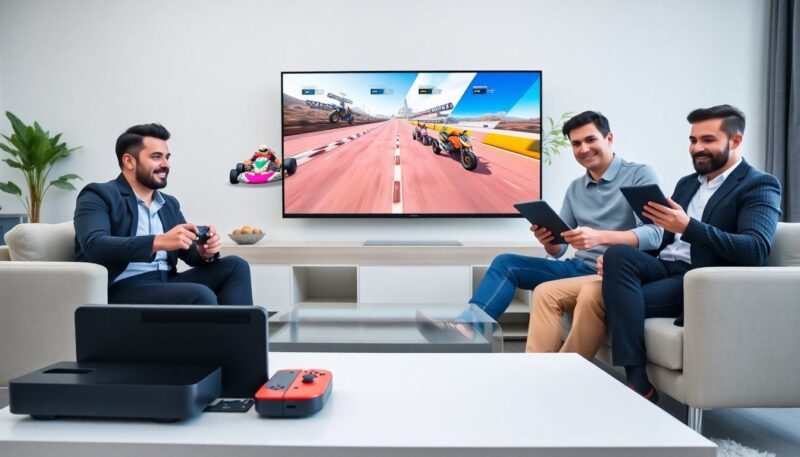
Nintendo racing games also show hardware influence. Portable consoles encouraged short-session design and touch features. Hybrid systems enabled both couch and handheld modes. Developers tuned controls and UI to match each platform.
Key Mechanics, Items, And Modes That Define Nintendo Racing Experiences
Drifting stands as a core mechanic in many Nintendo racing games. Players angle into corners and hold drift to charge a boost. This mechanic rewards timing and track knowledge.
Item use defines the chaos in Nintendo racing games. Games include defensive items like shells and bananas. Games offer offensive items like lightning or blue shells. Players learn to use items for defense, attack, and recovery.
Rubber-banding balances Nintendo racing games. The systems give trailing racers catch-up items or speed boosts. This design keeps races close and fun for casual groups.
Boost pads and slipstreams add tactical depth to Nintendo racing games. Players time boosts to pass opponents or shave seconds off lap times. These elements reward tactical positioning.
Character choice affects stats in some Nintendo racing games. Games assign weight, speed, and handling values. Players pick characters to match their play style or to counter specific tracks.
Ghosts and time trials serve competitive players in Nintendo racing games. Players race against recorded runs to shave time. These modes drive practice and mastery.
Battle modes expand multiplayer in Nintendo racing games. Players fight in arenas with special items and objectives. These modes offer a break from standard laps and reward varied skills.
Track variants and DLC keep Nintendo racing games fresh. Developers release new tracks, characters, and vehicle parts. Players return for fresh content and seasonal events.
About the Author