AI text to image generators have transformed the way creators, designers, and marketers bring ideas to life. By converting written prompts into visually compelling images, these tools have opened doors to a new era of creativity. Unlike traditional graphic design, which requires manual effort and technical skills, text-to-image AI tools offer instant visualization. They range from generating concept art and illustrations to realistic photos and even anime-style visuals. Choosing the right platform can greatly impact workflow efficiency, output quality, and creative freedom.
While many options are available, not all generators offer the same combination of versatility, speed, and intuitive design. Some focus on hyper-realistic outputs, while others cater to artistic or stylized imagery. Evaluating factors like model variety, customization features, and user experience is essential. Below, we highlight five of the best AI text to image generators in 2026, starting with the most versatile and accessible choice.
1. Pollo AI – The Versatile AI Text to Image Generator
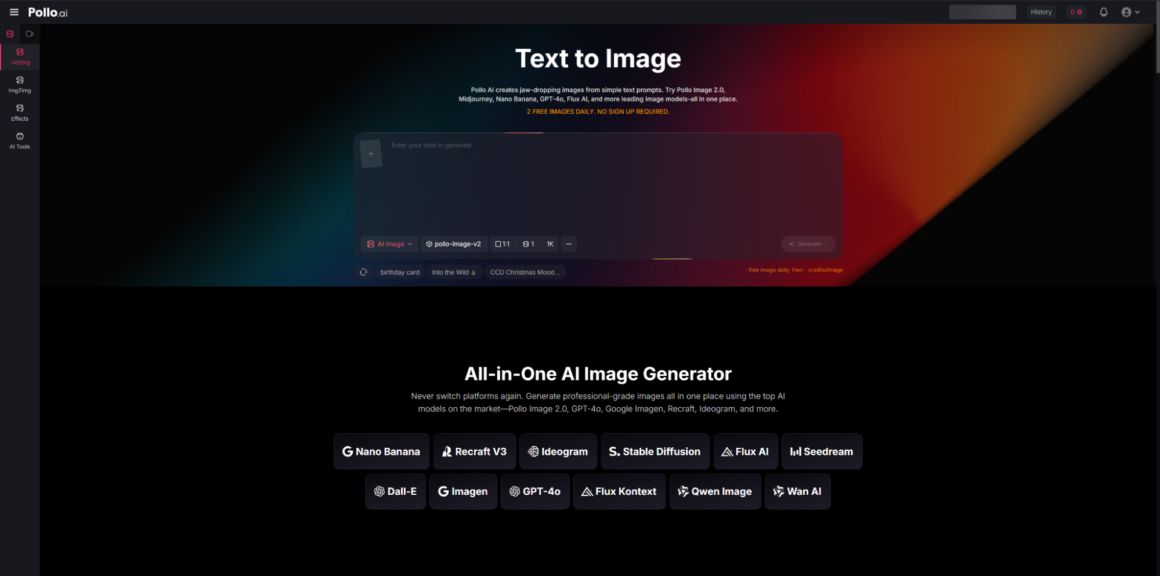
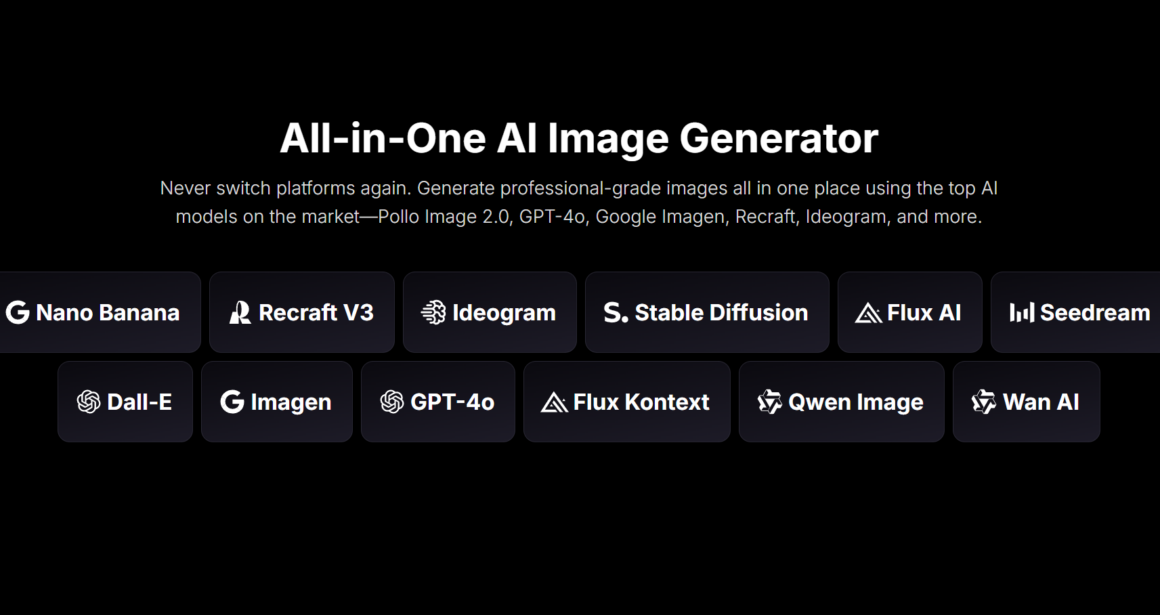
Pollo AI stands out as a well-rounded platform among modern text to image generators, combining multiple AI generation capabilities into a single interface. Users can not only convert text into images but also perform image-to-image transformations and even video-related enhancements, making it suitable for a wide range of creative workflows. Its multi-model approach allows experimenting with different artistic styles without switching between tools, offering unparalleled flexibility for designers, marketers, and hobbyists alike.
From a usability perspective, Pollo AI is designed for both beginners and professionals. The interface is clean, with clear prompt inputs, style selectors, and adjustable parameters to fine-tune outputs. For those exploring AI-generated art for the first time, Pollo AI provides templates and presets to get high-quality results instantly. Meanwhile, experienced users can leverage advanced options for intricate compositions. Its combination of speed, versatility, and accessibility makes Pollo AI a top choice for anyone looking to generate images from text efficiently.
Pros:
- Multi-functional: text-to-image, image-to-image, video enhancements
- Multiple underlying models in one platform
- Beginner-friendly interface with advanced customization
Cons:
- Some advanced features require familiarization
- Cloud processing may have occasional queue delays
Why choose it:
Pollo AI offers a complete creative suite for professionals and hobbyists alike, providing flexibility, speed, and quality that few other platforms match.
2. MidJourney – Creative and Artistic Focu
MidJourney has gained popularity for its distinctive artistic style and ability to produce visually striking images from simple text prompts. Unlike platforms that prioritize photorealism, MidJourney emphasizes creative interpretations, resulting in outputs that often resemble concept art or high-end illustrations. This makes it a favorite among artists, storytellers, and designers who want visually rich, imaginative images.
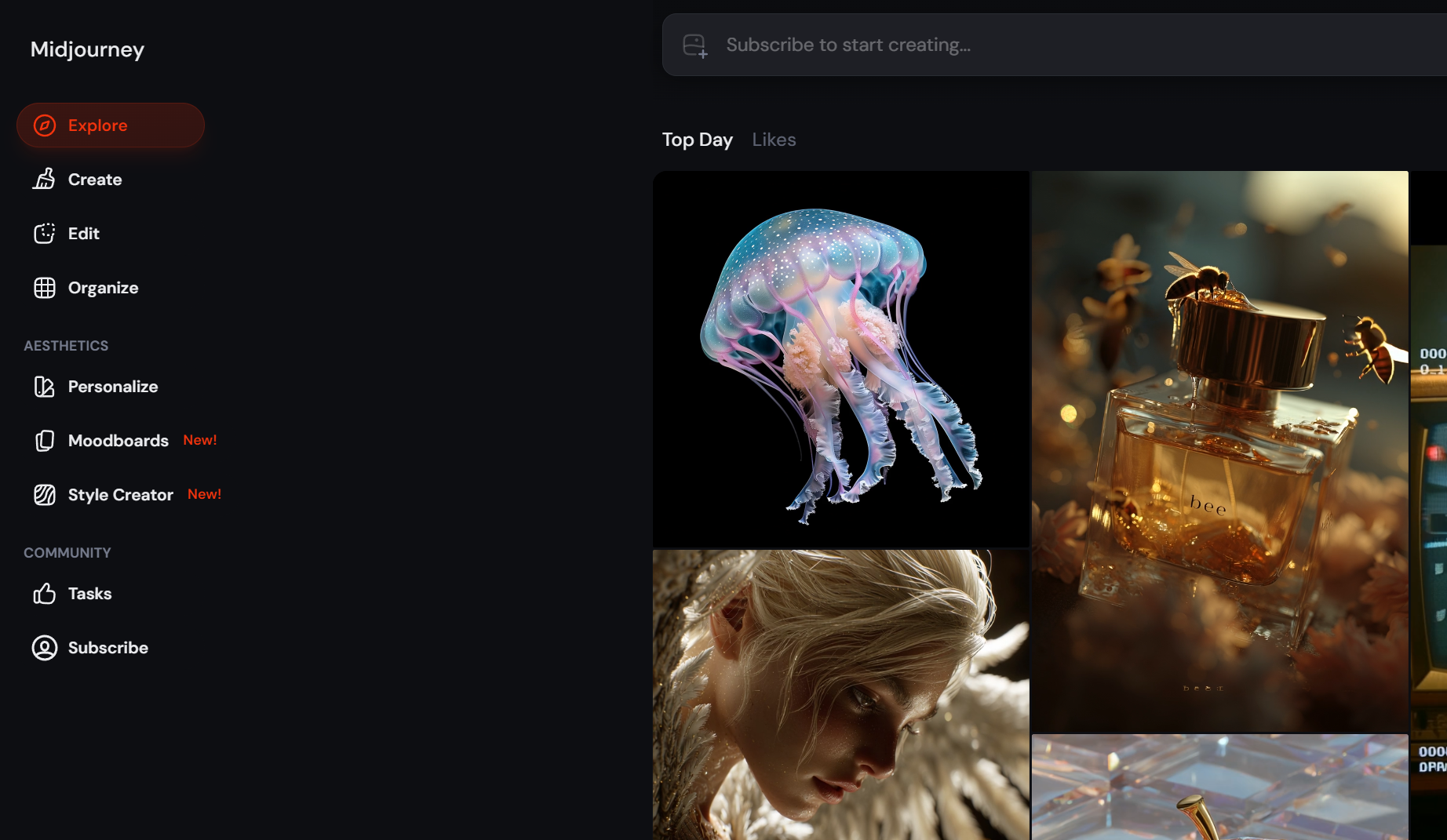
The platform operates primarily through a Discord interface, which allows community collaboration, prompt sharing, and real-time feedback. While it may take some adjustment for newcomers, the system is intuitive once users become familiar with Discord-based commands. MidJourney supports various style modifiers, letting creators experiment with colors, textures, and atmospheres. Its unique aesthetic, combined with a strong community for inspiration, makes it ideal for users seeking distinctive and memorable AI-generated visuals.
Pros:
- Unique artistic style for concept art and illustrations
- Active community with shared prompts and support
- Variety of style and detail customization options
Cons:
- Requires Discord for usage
- Less suited for hyper-realistic image needs
Why choose it:
MidJourney is perfect for creatives who want imaginative, high-quality visuals that stand out from conventional AI-generated images.
3. DALL·E 3 – Realistic and Dynamic Image Generation
DALL·E 3 by OpenAI offers highly realistic image generation capabilities, making it suitable for professional applications like marketing, product visualization, and concept prototyping. By understanding complex prompts, DALL·E 3 can combine multiple elements into coherent, visually appealing compositions. Its strength lies in producing high-resolution images with natural lighting, accurate proportions, and intricate details.
The platform supports text-to-image generation with additional control over style and composition. Users can guide the AI using parameters such as perspective, mood, or color palette. DALL·E 3 integrates seamlessly with other OpenAI tools, allowing for multi-step workflows where text generation and image creation intersect. Its reliability and realistic rendering make DALL·E 3 a practical choice for commercial use, where visual fidelity is a priority.
Pros:
- High-quality, realistic outputs
- Multi-step workflow integration with OpenAI tools
- Handles complex prompts efficiently
Cons:
- Some advanced features require an OpenAI account
- Limited stylized artistic options compared to MidJourney
Why choose it:
DALL·E 3 is ideal for users seeking precision, realism, and professional-grade outputs in marketing, concept design, or product visualization.
4. Stable Diffusion – Open-Source Flexibility
Stable Diffusion is a widely recognized open-source AI text to image generator that offers flexibility and customization unmatched by many commercial platforms. Its community-driven ecosystem allows users to tweak models, apply fine-tuned training, and even develop custom styles. This makes it particularly appealing to developers, researchers, and advanced users who want granular control over the image generation process.
One of the advantages of Stable Diffusion is the ability to host local instances, ensuring privacy and reducing dependency on cloud services. Users can generate unlimited images without restrictions, making it cost-effective for heavy workloads. Additionally, the wide variety of available models and community plugins allows experimentation with different aesthetics, from photorealistic to painterly effects. While it may require more setup than plug-and-play platforms, the creative possibilities with Stable Diffusion are extensive and highly rewarding.
Pros:
- Open-source with extensive community support
- Fully customizable and self-hostable
- Free to generate unlimited images locally
Cons:
- Requires technical setup for optimal usage
- Not as beginner-friendly as other platforms
Why choose it:
Stable Diffusion is perfect for users who want full creative control, privacy, and the ability to experiment with AI models and custom styles.
5. Ideogram – Simple and Accessible AI Creativity
Ideogram focuses on accessibility and simplicity while delivering reliable AI text-to-image results. It is designed for users who want high-quality visual outputs without steep learning curves or complex software requirements. Ideogram combines user-friendly interfaces with AI-powered features that allow for style adjustments, composition control, and resolution selection.
The platform emphasizes speed and ease of use, making it suitable for hobbyists, educators, and professionals who need quick visual representations. While it may not offer as extensive a range of customization as Pollo AI or Stable Diffusion, Ideogram provides sufficient flexibility for most standard creative projects. Its blend of simplicity and quality positions it as a practical choice for casual users and content creators alike.
Pros:
- Easy to use with minimal setup
- Fast generation times
- Suitable for casual and professional projects
Cons:
- Less advanced style options compared to competitors
- Limited to cloud-based generation
Why choose it:
Ideogram is ideal for users seeking an intuitive, no-fuss solution to turn text prompts into visually appealing images quickly.
Conclusion
Choosing the right AI text to image generator depends on your creative goals, technical skills, and the type of output you need. Pollo AI offers unmatched versatility and a balance between beginner accessibility and professional capabilities. For more artistic exploration, MidJourney excels in imaginative visuals, while DALL·E 3 delivers precision and realism. Stable Diffusion is perfect for those who want full customization and open-source flexibility, and Ideogram provides an easy, accessible option for quick, high-quality results. By understanding each platform’s strengths, users can select a tool that enhances productivity, supports creativity, and turns ideas into visually compelling images efficiently.
About the Author