Custom racing shirts help teams look and perform their best. The article explains fabric choices, fit options, graphic placement, ordering timelines, and cost. It guides teams to choose options that match race goals, climate, and budget. The reader will learn clear steps to design, size, and order custom racing shirts that meet sport and team needs.
Key Takeaways
- Custom racing shirts enhance team performance by offering tailored fit, branding, and fabric choices suited to race conditions.
- Designing custom shirts involves careful placement of graphics and selection of fit to balance visibility and aerodynamics for optimal performance.
- Selecting the right fabric with features like moisture-wicking, stretch, and UV protection is crucial to comfort and durability during races.
- Accurate sizing and simplified, high-contrast branding improve team cohesion and ensure consistent appearance across all riders.
- Ordering custom racing shirts requires planning lead times, budgeting for printing methods, and choosing between local or online manufacturers based on needs and cost.
- Bulk orders benefit from consolidated logo files, size samples, and contingency plans to streamline production and accommodate team changes.
Why Choose Custom Racing Shirts Over Off-The-Shelf Options
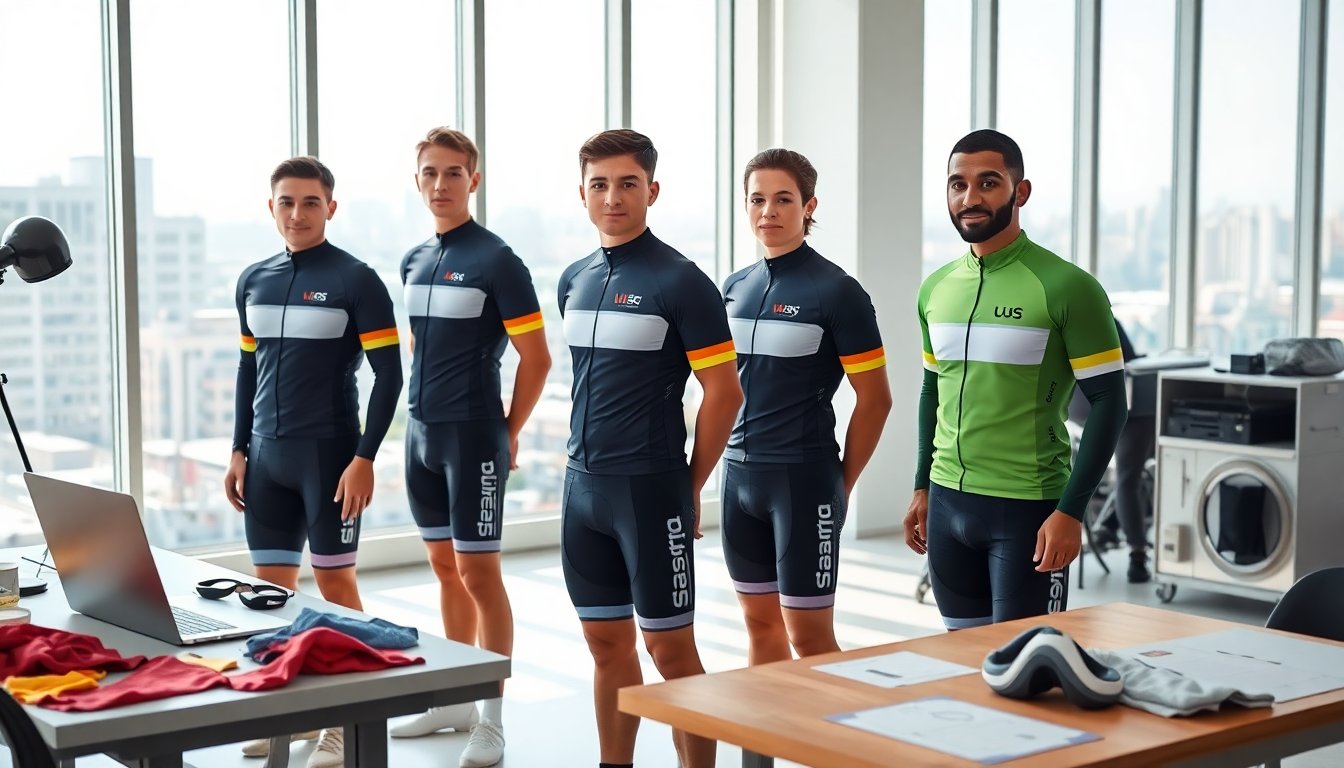
Teams choose custom racing shirts because they control fit, branding, and performance. A custom shirt fits team proportions and reduces drag. A custom shirt places sponsors and numbers exactly where the team wants them. Teams also pick fabrics that match weather and race length. Off-the-shelf shirts give fast delivery but limit logos and fit. Custom shirts improve team cohesion and help riders identify teammates in a pack. Teams find that custom shirts last longer when they match the sport demands. Teams that invest in custom racing shirts often see better comfort and fewer wardrobe issues during long events.
Design Considerations: Graphics, Fit, And Performance Priorities
Designers place graphics to balance visibility and aerodynamics. Designers avoid large rear seams and place logos on flat panels. Teams test several mockups to confirm contrast and legibility at speed. Fit choices affect heat retention and movement. A race cut sits closer to the body than a training cut. Teams choose sleeve length and collar style based on comfort and rules. Performance priorities include breathability, stretch, and moisture transfer. Teams rank those priorities before selecting fabric and pattern. The team consults riders about pockets, zipper length, and reinforcement points. Teams also check event rules for logo sizes and placement.
Materials And Fabric Technology To Know Before You Order
Teams select fabric based on weight and breathability. Lightweight polyester and poly-blend knits move moisture away from skin. Teams often pick mesh panels for high-sweat zones. Fabric with four-way stretch keeps the cut snug and allows full motion. Some fabrics include UV protection for long outdoor races. Teams use silicone grippers at hems to prevent shirts from riding up. Thermal fabrics add insulation for cold-weather events. Teams consider antimicrobial finishes to reduce odor on multi-day tours. Teams test swatches to confirm hand feel and stretch before they approve a full production run. This step reduces returns and improves satisfaction with custom racing shirts.
Sizing, Team Branding, And Bulk Customization Tips
Teams gather accurate measurements from every member. They use chest, waist, and arm length measurements to set size ranges. Teams create a size chart that matches the chosen fabric stretch and cut. They order a pre-production sample for each size block to confirm fit. Teams keep branding simple for visibility at speed. They limit small text and use high-contrast colors for sponsor logos. For bulk orders, teams consolidate logo files and provide vector art to the vendor. Teams also set clear placement templates to avoid rework. They negotiate bulk pricing and set reorder thresholds. Teams include a small contingency order to cover new members or sizing errors. This approach reduces delays and keeps kit appearance consistent across riders.
Where To Order, Lead Times, And Typical Pricing Breakdown
Teams choose between local shops and online manufacturers. Local shops allow face-to-face fitting and quicker sample checks. Online manufacturers often offer lower unit costs and wider material choices. Lead times vary by supplier and season. Standard production runs take four to eight weeks after sample approval. Rush orders cut lead time but add fees. Teams expect unit pricing to depend on quantity, print method, and fabric. Screen printing costs drop with volume. Sublimation printing gives full-wrap graphics at a stable per-unit price. Basic custom racing shirts start around mid-range price points for small runs. Larger runs push per-unit cost lower. Teams budget for setup fees, shipping, and artwork adjustments. Teams request a detailed quote that lists fabrics, print methods, sample fees, and shipping to avoid surprises.
About the Author