How to Follow Up Politely When You Have Not Received a Reply is the question many professionals and hobbyists face. This guide gives clear timing, short templates, and tonal rules readers can use immediately. It focuses on practical steps that improve response rates, preserve relationships, and reduce awkwardness when a message goes unanswered.
Key Takeaways
- Polite follow-ups increase response rates and preserve professional relationships by showing respect and understanding.
- Send your first follow-up within 2–3 business days for work emails, 5–7 days for networking, and 3–5 days for sales or casual messages to balance urgency and politeness.
- Keep follow-up messages concise with a clear ask, reference the prior message date, and use a neutral, respectful tone to encourage replies.
- Use concise subject lines personalized with the recipient’s name or context to boost open rates by up to 50%.
- Limit follow-up attempts to 3–4 messages; if there’s no reply afterward, respect the silence and close the conversation politely.
- Effective follow-ups act as helpful nudges that prevent delays and maintain momentum without causing pressure or awkwardness.
Why Gentle, Strategic Follow-Ups Matter
Gentle, strategic follow-ups matter because they increase visibility without damaging rapport. Data-backed sequences raise response rates: short reminders keep a request near the top of someone’s inbox and often prompt faster action. They also protect relationships, a neutral, helpful message signals respect for the recipient’s time rather than pressure.
Concrete example: a project manager sent a one-line reminder three days after a missed approval and secured sign-off within 24 hours: the same manager lost momentum when repeated messages grew insistent. That contrast shows why tone and spacing matter.
Readers should treat follow-ups as a service: a quick nudge that helps both parties move forward. When written well, these messages reduce back-and-forth, cut project delays, and prevent important requests from slipping through the cracks. A well-timed follow-up can be the single action that saves a deadline or revives an opportunity.
When To Send Your First Follow-Up
Send the first follow-up at an interval that matches context and urgency. A wrong pace looks pushy: a too-slow pace loses momentum. Use these tested windows as a starting rule.
Work/internal: 2–3 business days. This timing respects workflows and catches short email chains before they stall. Networking/applications: 5–7 days. After an event or application, this gives recipients breathing room while keeping memory fresh. Sales/outreach: 3–5 days for early touches, then 7–10 days between later steps. Casual messages: 3–5 days depending on the relationship and whether the topic is time-sensitive.
These windows mirror common practice in outreach campaigns and hiring workflows. If a message requires a decision by a specific date, include that deadline in the initial outreach so the appropriate follow-up becomes a reminder rather than a surprise.
Wait Times By Context: Work, Networking, Sales, And Casual Messages
Answer first: wait times depend on signal and relationship.
Work: 2–3 business days for approvals or clarifications. If a deliverable blocks others, add an explicit call to action and a short deadline (e.g., “Can you approve by Tuesday?”). Networking: 5–7 days after an event or cold outreach: include the connection point (conference, mutual contact) to jog memory. Sales/outreach: start with 3–5 days, then stretch to 7–10 days: use value-driven updates rather than repeated requests. Casual: 3–5 days but soften the language: “No rush, just checking in about…”
Practical trade-off: shorter waits suit workflows with tight dependencies: longer waits protect social goodwill. In one case study, a five-step sales sequence spaced over three weeks raised reply rates by 18% versus back-to-back attempts. That improvement came from better timing and varied content in each touch.
How To Write A Polite, Effective Follow-Up Message
Start with the bottom line: state who you are, the prior message, and the one clear ask.
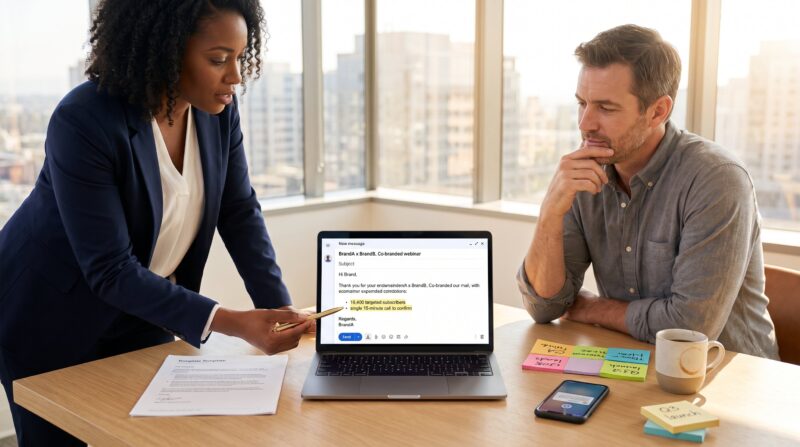
Template: 1) One-sentence reminder of context (name, date, subject). 2) One-line request with a tight CTA (e.g., “Could you confirm X by Friday?”). 3) Short understanding line (“I know you’re busy, happy to adjust”). 4) Signature with phone or calendar link.
Example message: “Hi Lina, I wrote on July 5 about the Q3 budget. Can you confirm the approval by Friday? If someone else handles this, could you point me to them? Thanks, Sam, 555-0123.” That message uses 34 words, one CTA, and an easy out.
Common mistakes and fixes: rambling bodies bury the ask, cut to one sentence. Demanding language provokes silence, replace “You must” with “Could you.” Overlong threads confuse readers, paste only the essential prior message or a one-line summary.
Honest note: the writer who ignores follow-ups often assumes silence means no. But many replies arrive after a single polite nudge. Treat follow-ups as normal project hygiene, not confrontation.
Subject Lines, Tone, And Formatting Tips That Improve Response Rates
Answer first: concise, contextual subject lines and respectful tone increase opens and replies.
Subject lines: keep them to 3–7 words and under 50 characters for mobile. Strong formats: “Quick question, [topic]”, “Approval needed: [project]”, or “Follow-up from [event]”. Personalize with recipient name or company to lift open rates roughly 25–50%.
Tone: neutral, respectful, and non-accusatory. Open with empathy: “I know you’re busy” or “Quick note when you have a moment.” Avoid “Why didn’t you reply?” or any phrasing that implies blame.
Formatting: short paragraphs, bullets for multiple asks, and one bolded CTA if the platform supports it. For mobile readers, keep lines tight and CTAs thumb-friendly (dates, yes/no, or a single link).
Practical tip: reference the prior message date instead of generic “following up.” “Following up on my June 10 note about X” is clearer and boosts recall.
What To Do If You Still Don’t Get A Reply
Answer first: use a small sequence, then stop.
Most guidance recommends up to 3–4 attempts. Typical cadence: first follow-up after the interval above, second after 7–10 days, third as a closing note 10–14 days later. The final message should remove pressure and leave the door open: a brief “closing the loop” note works well.
Example closing note: “I’ll close this thread for now, please reply if you’d like to revisit.” This keeps relationships intact and signals record-keeping. If the outreach concerns a service request, switch channels once (phone or contact form) before closing: for site-specific help, readers can reach the WaveTech team through the site’s contact page. For example, users often find clear help by using the site’s contact form when email stalls.
If no reply follows the sequence, update CRM records or personal notes to reflect the outcome. Persisting beyond four touches usually yields diminishing returns and can harm future interactions. As a final honest assessment: sometimes silence signals changed priorities, not malice, respect that change.
Conclusion
Practical follow-ups are short, timed, and empathetic. They restore momentum without burning bridges. Readers who carry out the recommended waits, templates, and subject-line rules will see steadier reply rates and fewer stalled projects.
About the Author