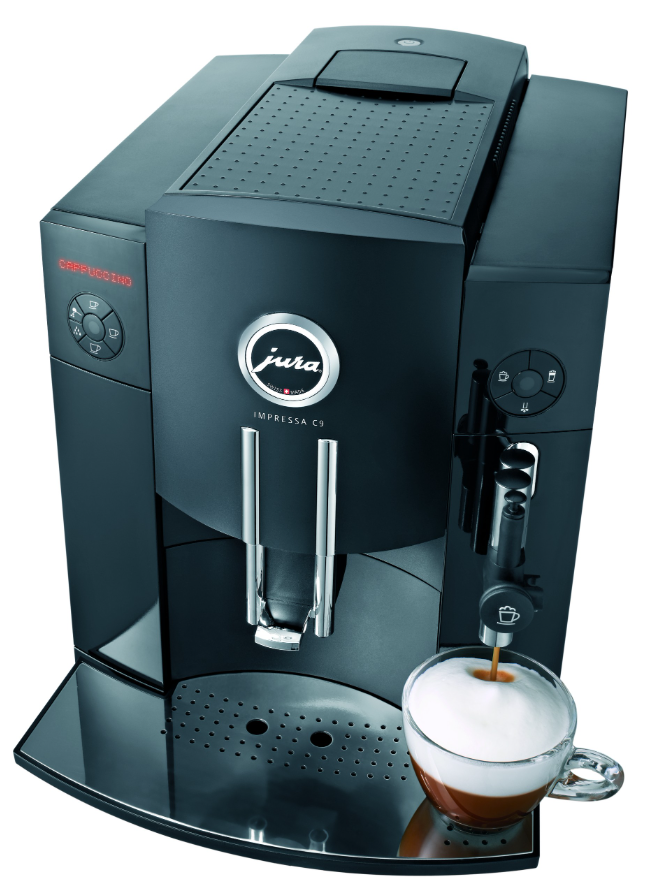
Spend a morning in any busy downtown café, and you will see baristas juggling grinders, tampers, and steaming pitchers—all while a line of customers scrolls on their phones and watches the clock. Ten years ago, that scene felt irreplaceable: an espresso worth waiting for required a skilled hand. Then the Jura coffee machine entered the conversation, introducing a level of consistency and speed that even seasoned professionals found hard to match. Rooted in Swiss engineering, Jura’s design team fused micrometre-accurate grinders, dual thermoblock boilers, and micro-foam technology into a single countertop appliance. The result is a push-button ritual that produces espresso topped with thick, tiger-striped crema every time, regardless of who presses Start. By translating artisan techniques into automated precision, Jura shifted industry expectations of how quality and convenience can coexist.
Democratizing Specialty Coffee Across the Map
Canada’s appetite for third-wave coffee grew quickly during the last decade, yet accessibility remained uneven outside metropolitan hubs. Independent cafés populate trendy neighbourhoods in Toronto, Vancouver, and Montréal, but smaller cities and corporate campuses often struggle to recruit trained staff or maintain consistent drink standards. A Jura coffee machine solves both issues in one swoop. Installations at hotels in Banff, dental clinics in Halifax, or design studios in Regina allow guests and employees to enjoy flat whites and cortados without a dedicated barista on site. Faema Canada, as the exclusive national importer, has witnessed offices once stocked with basic drip brewers adopt Jura’s flagship models, transforming morning meetings into mini café experiences that build morale and reduce time spent on coffee runs. Specialty drinks no longer belong solely to urban trendsetters; they are an everyday perk from coast to coast.
Sustainability Through Efficiency and Waste Reduction
The specialty coffee movement champions ethical sourcing and farm-direct transparency, yet sustainability extends beyond green beans. Traditional espresso bars generate mountains of spent paper cups, plastic milk jugs, and single-use pods. Jura attacked the waste issue on multiple fronts. Intelligent water-flow algorithms limit extraction to exactly the volume required, conserving both electricity and water. Reusable pucks of compressed coffee grounds eject neatly into a built-in drawer, ideal for composting rather than landfill. Automatic milk-rinse programs maintain hygiene while using minimal detergent, and internal filters reduce reliance on bottled spring water. When café chains crunch the numbers, the ecological benefits dovetail with lower operating costs, elevating a Jura coffee machine from a gadget to a genuine sustainability strategy.
Digital Connectivity and Predictive Maintenance
Modern hospitality relies on data, and Jura machines speak that language fluently. Wi-Fi modules paired with Jura’s Coffee App allow café managers to track drink counts, monitor water-filter life, and schedule cleaning cycles remotely. In an era where downtime translates to lost revenue, predictive alerts flag scale build-up or worn gaskets before they cause an outage. Faema Canada’s service division receives live diagnostics, dispatching technicians with the right parts in hand, minimizing repeat visits. This connectivity elevates equipment care from reactive to proactive, a shift that traditional espresso machines—laden with manual knobs and gauges—have struggled to replicate. The digital layer also empowers households: weekend hosts can program cappuccino strengths for guests, and aspiring connoisseurs can log grind adjustments in real time, turning experimentation into exact science.
Elevating Milk Texture with Fine-Foam Technology
Well-pulled espresso is only half the story behind a memorable latte. Achieving silky micro-foam typically demands a barista’s keen ear and steady wrist, two variables absent from self-service environments. Jura engineered a solution through Fine-Foam technology, a variable-temperature frothing system that aerates milk in two phases, creating tight bubbles that integrate seamlessly with espresso without the soap-bubble finish of cheaper steam wands. The texture satisfies discerning palates while remaining reproducible cup after cup. For cafés facing peak rush hours or offices with rotating users, this repeatability guarantees that the last drink of the day mirrors the first. It also unlocks a broader menu—think macchiatos before board meetings or affogatos after dinner—without additional labour training.
Impact on Craft and Community
Critics once fretted that automation might erode the artistry of espresso culture. Instead, cafés equipped with a Jura coffee machine often redirect staff energy from repetitive tamping to genuine hospitality: chatting with patrons about origin stories, dial-in flavour notes, and pastry pairings. In busy quick-service locations, automated consistency frees time for latte art lessons and origin-bean tastings, enriching consumer appreciation rather than diluting it. The machine becomes a silent partner, handling precision tasks while humans focus on storytelling and service. Independent roasters have taken notice, collaborating with Jura to calibrate profiles that accentuate terroir in a way manual machines cannot always guarantee.
Canadian Case Studies Highlighting Transformation
Toronto’s Lakeshore Fitness Club replaced its capsule pods with Jura GIGA units last year. Management reports a thirty-two percent reduction in coffee-related waste and a noticeable uptick in member satisfaction scores, attributed to superior taste and ease of use during early-morning workouts. Meanwhile, a boutique hotel in Whistler integrated Jura’s professional line into each guest suite, drawing rave reviews for “room-service espresso without room-service wait times.” Even Tim Hortons’ corporate offices piloted Jura machines in their R&D lab, acknowledging the demand for barista-level consistency during product development sessions. Such stories reveal how the Swiss manufacturer does more than brew coffee; it reshapes workflow, customer perception, and environmental footprints.
Looking Forward: Integration with Sustainable Sourcing
As direct-trade beans grow mainstream, consumers expect transparency from crop to cup. Jura’s software already allows barcodes on bean bags to preload grind settings and brew ratios. Future iterations could merge blockchain traceability, displaying farm information on the touchscreen before extraction. Imagine scanning a new Colombian micro-lot and watching the machine auto-adjust temperature to accentuate citrus notes, then logging feedback directly to the producer. These possibilities push the envelope of what a countertop appliance can accomplish, fostering deeper connections between farmers, roasters, and drinkers.
A Quiet Revolution in Every Cup
Revolutions rarely explode overnight; they unfold quietly through small moments that become habits. The Jura coffee machine embodies this incremental transformation—eliminating guesswork for busy baristas, introducing specialty beverages to offices once shackled to drip pots, and slashing waste without preaching austerity. Swiss precision, digital intelligence, and an unwavering focus on cup quality have combined to rewrite industry benchmarks. Faema Canada is proud to stand at the forefront of this shift, bringing machines that honour both craft and convenience to kitchens, cafés, and corporate lounges nationwide. Each time a user hears that reassuring hiss of micro-foam or sees a flawless crema crown, they witness the future of coffee service made tangible. As automation and artistry join forces, one thing becomes clear: revolution tastes remarkably like a perfectly balanced espresso, ready at the touch of a button.
About the Author