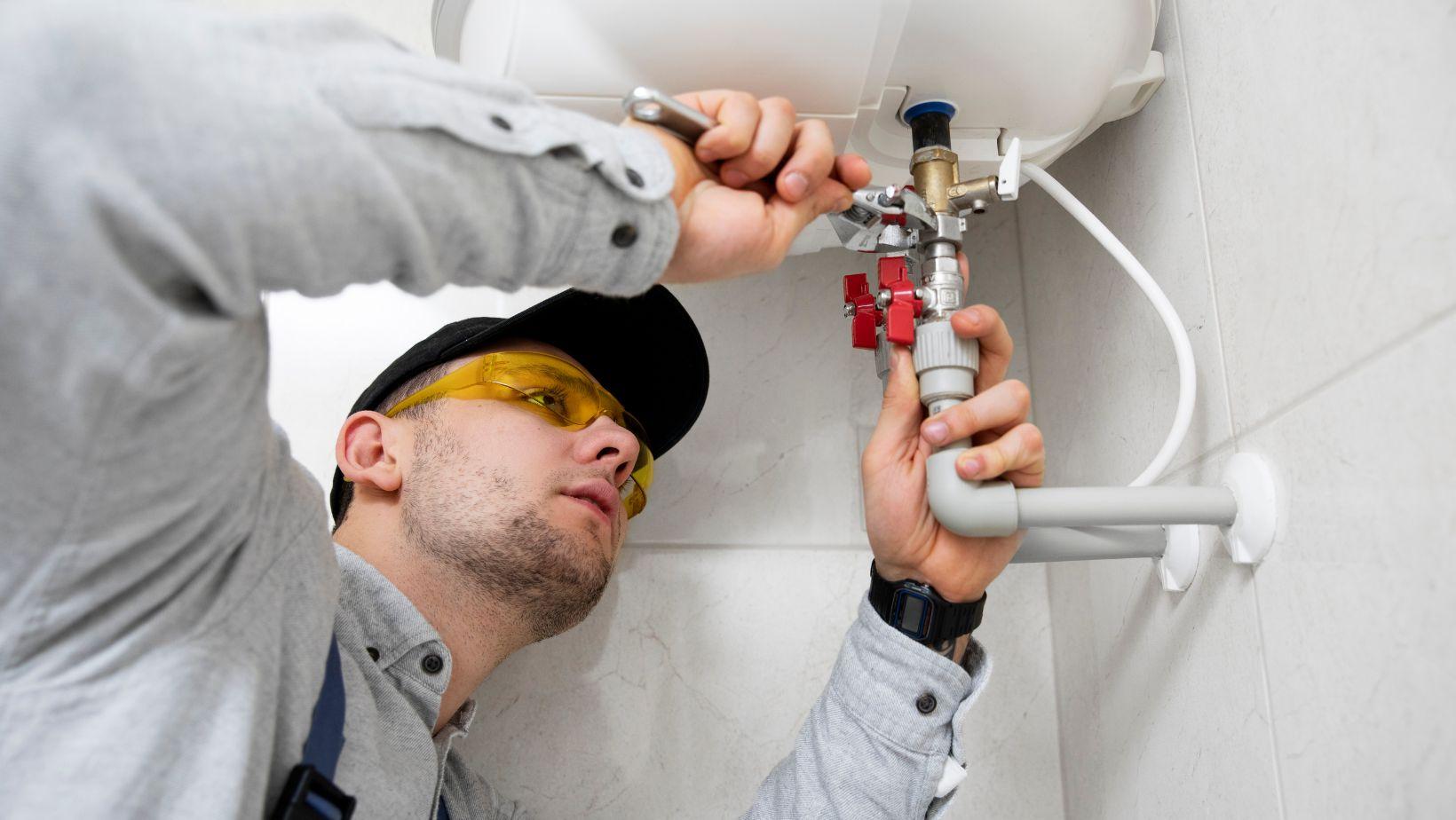
Few home maintenance problems cause more frustration than plumbing failures that strike without warning, flood cherished belongings, and derail weekend plans. While a slow drain might feel minor today, the same neglected pipe can burst next month, leaving drywall soaked and renovation budgets shattered. Homeowners who understand the underlying causes of common malfunctions are better prepared to act quickly, choose the right fix, and know when to call a professional. Below, we examine the most disruptive issues that regularly drive residents to search for a reliable plumber Toronto homeowners trust, and we outline practical solutions that keep water where it belongs.
Burst Pipes in Sub-Zero Weather
Toronto winters can plunge well below freezing, causing static water in uninsulated pipes to solidify, expand, and rupture copper or PEX lines. The break often occurs behind exterior walls or beneath crawl spaces where cold air lingers, and homeowners discover the damage only after temperatures rise and water starts flowing again. Preventive insulation forms the first line of defence. Heat trace cables or foam sleeves installed before winter create a temperature buffer, while maintaining a baseline indoor thermostat setting above fifteen degrees Celsius helps water continue moving. If a pipe does burst, shut off the main valve immediately, open nearby taps to relieve pressure, and contact a certified plumber Toronto emergency service. Repairs typically involve cutting out the compromised section and installing new fittings with expansion‐rated connections.
Clogged Main Sewer Lines
Unlike a single slow sink, a blocked main stack affects every fixture in the house. Warning signs include gurgling toilets, foul odours rising from floor drains, or wastewater backing up into basement tubs. Tree roots invading clay tiles remain a primary culprit in older Toronto neighbourhoods. Photoelectric sewer cameras allow technicians to confirm the obstruction’s location without excavation. Mechanical augers or hydro-jetting clear most blockages by cutting through roots and flushing debris. For pipes heavily infiltrated or collapsed, trenchless lining, known as cured-in-place pipe, creates a seamless epoxy barrier inside the existing conduit, restoring flow without digging up mature landscaping. Regular inspections every three to five years prevent small root tendrils from growing into impenetrable masses.
Persistent Low Water Pressure
A shower that feels more like a drizzle often points to mineral buildup in aerators or galvanized steel pipes corroding from the inside out. Homeowners can unscrew faucet screens and soak them in white vinegar to dissolve calcium deposits, restoring flow within minutes. If multiple fixtures share the same problem, the scale may be narrowing supply pipes. Re-piping sections with modern PEX tubing eliminates hidden rust and improves delivery. Municipal pressure issues sometimes cause low flow as well; installing a pressure booster pump with an integrated storage tank balances supply fluctuations. A qualified plumber Toronto residents rely on will measure incoming pressure, diagnose whether the solution lies inside the home or at the service connection, and recommend the least invasive remedy.
Water Heater Failures
Unexpected cold showers or discoloured water often trace back to ageing heaters. Sediment settling in the tank insulates burners, causing longer heating cycles, energy waste, and eventual overheating. Annual flushing through the drain valve removes sediment, prolonging element life. Metallic tasting or rusty water indicates anode rod depletion; replacing the rod before corrosion reaches tank walls costs a fraction of a full unit installation. When a heater leaks from the base, internal rust has breached the steel, and replacement becomes unavoidable. Upgrading to a high-efficiency condensing or hybrid heat-pump model reduces energy bills and qualifies for provincial rebates. Professional installation ensures proper vent sizing, gas line calibration, and safety valve placement.
Running Toilets and Silent Leaks
A toilet that runs intermittently can waste hundreds of litres daily, inflate water bills, and cause constant annoyance. Most cases involve a warped flapper that fails to seal, allowing water to trickle from the tank into the bowl. Replacing the flapper or adjusting the chain length restores a tight closure. Silent leaks that leave no audible cue often reveal themselves through dye tests: add a few drops of food colouring to the tank and wait fifteen minutes with the fixture unused; colour in the bowl signals a leak. Modern dual-flush valves offer efficient water use and reliable seals, outperforming older ball-cock assemblies. Simple repairs are carried out promptly to conserve water and prevent floor damage from overflow incidents.
Sump Pump Malfunctions
Basement flooding during spring thaws underscores the importance of a reliable sump system. Switch failures, frozen discharge lines, and debris jammed in the impeller can all turn off pumps just when they are needed most. Homeowners should test pumps monthly by pouring a bucket of water into the pit, confirming the float rises and activates the motor. Battery backups or water-powered emergency pumps maintain operation during power outages, a frequent companion to severe storms. Installing a high-water alarm provides early warning, allowing residents to intervene or call a plumber Toronto homeowners trust before water reaches finished flooring or furnace components.
Leaky Faucets and Worn Washers
A slow drip appears trivial yet accumulates into significant waste over time. Compression faucets rely on rubber washers that stiffen and split, while cartridge or ceramic-disk models may develop O-ring wear or mineral scaling. Disassembling the valve body, cleaning seats, and installing genuine replacement parts usually resolves drips. Ignoring leaks pushes the issue downstream: cabinets warp, mould colonizes damp wood, and minerals stain fixtures permanently. Skilled do-it-yourselfers can manage straightforward faucet rebuilds, but cross-threading connections or overtightening stems invites new leaks. When in doubt, a reputable plumber’s Toronto service call quickly restores peace and conserves water.
Frozen Outdoor Hose Bibs
Garden spigots left connected through winter trap residual water, which freezes and splits the copper tube behind the wall. The damage shows itself in spring as interior water stains when outdoor taps are opened. Installing frost-free hose bibs that drain automatically, coupled with insulated covers, prevents freezing. Disconnecting hoses and shutting the interior supply valve before winter further safeguards exterior lines. Replacement of burst sections requires cutting access holes, soldering new pipes, and patching drywall, a more expensive outcome than proactive maintenance.
Fixture Noises and Water Hammer
Banging pipes when valves close quickly indicates water hammer, the hydraulic shock of halted flow. Besides startling occupants, repeated vibrations loosen joints and damage valve internals. Adding arrester chambers or air chambers near quick-closing appliances, such as washing machines or dishwashers, absorbs momentum. Older air chambers can become waterlogged; draining the system periodically restores their cushioning effect. Maintaining proper pipe clips and securing loose runs prevents rattling sounds that echo through walls.
Persistent plumbing problems do not resolve themselves, and short-term fixes often mask deeper issues that compromise your home’s integrity. For thorough diagnostics, expert repairs, and preventive maintenance tailored to Toronto’s unique climate and infrastructure, contact our certified plumber Toronto team today. We will inspect, advise, and solve your most troubling plumbing concerns, ensuring your water flows exactly where and when you need it.
About the Author