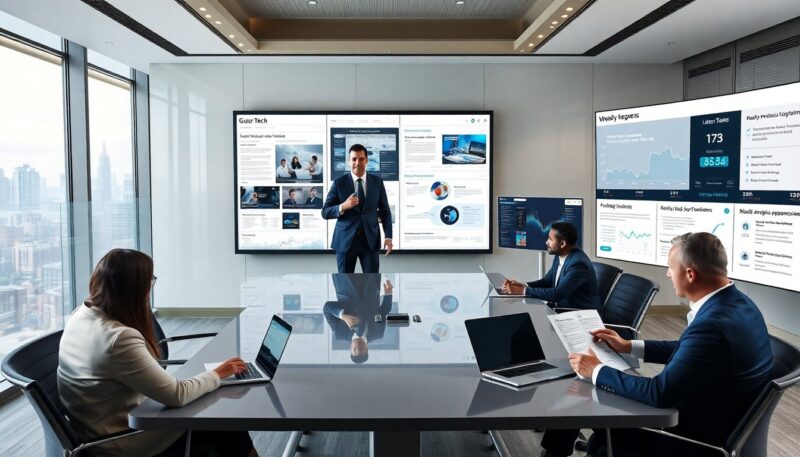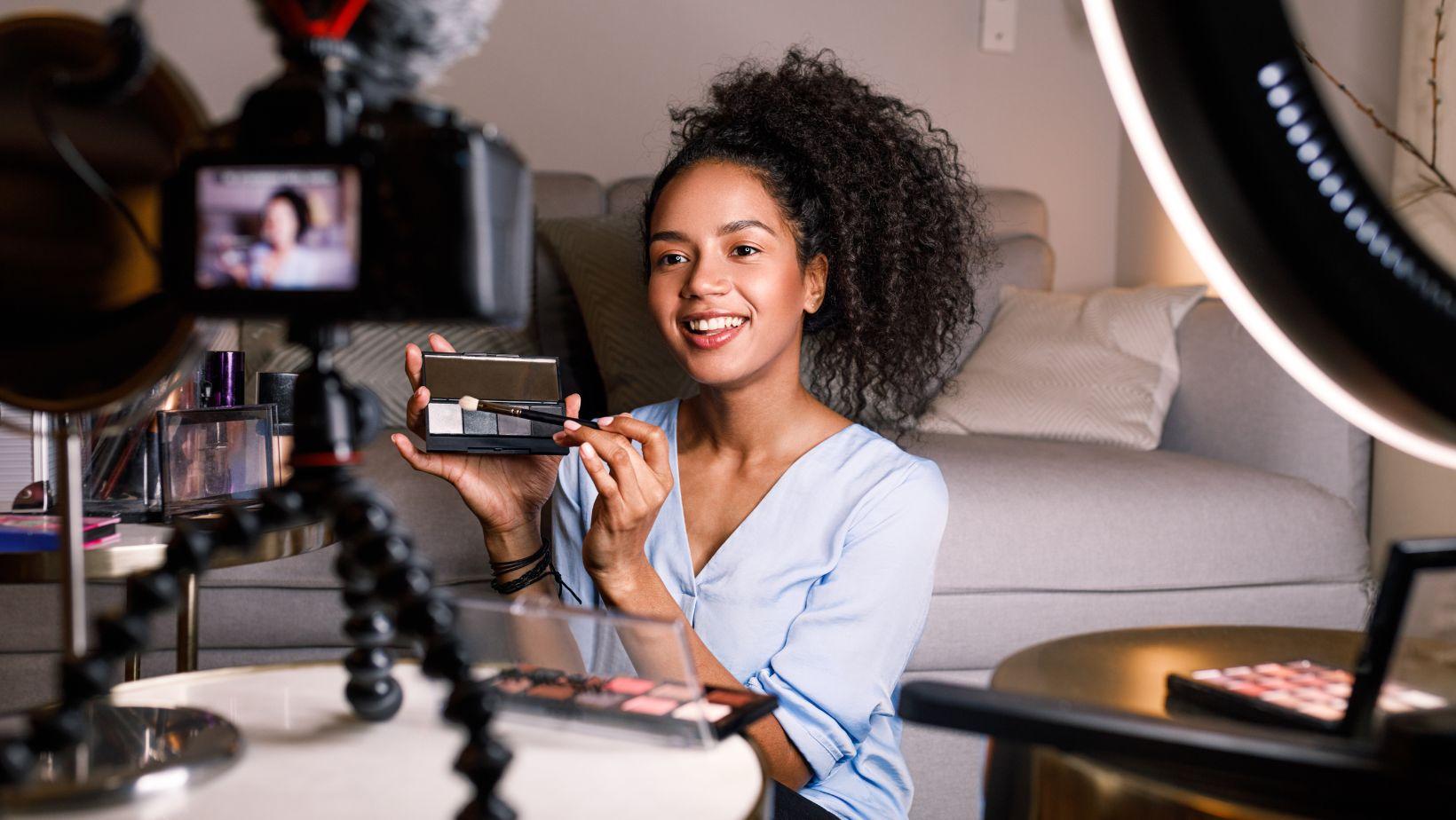
The glowing screen at two in the morning is a familiar sight for anyone who makes videos. Honestly, the hum of the laptop at midnight is practically a rite of passage for us. For years, the process of editing has been a beautiful, exhausting test of patience. You shoot for an hour, and then you spend ten hours cutting, syncing, tweaking audio, and hunting down the perfect b-roll. It’s a labor of love, but the emphasis has often been heavily on the labor. Today, a quiet shift is happening in the creative world. Artificial intelligence is changing workflows by entering the editing suite, fundamentally altering how creators tell their stories.
But is this shift really about replacing us?
Not at all. I guess it is more about removing the friction between a raw idea and the final product. For content creators, this means the boundary between imagining a scene and seeing it on screen is shrinking faster than ever before.
From Technical Chore to Creative Flow
In the traditional workflow, an enormous amount of time is dedicated to tasks that don’t actually require creativity. Finding the exact moment a speaker stumbles, removing background hum, or matching the color tones of two different cameras are technical necessities. They take time, and they drain creative energy. How many hours have you lost just staring at waveforms? You know exactly what I mean.
Modern editing software now handles these tasks in seconds. Algorithms can analyze audio tracks, instantly strip out background noise, and balance the volume levels. Software can automatically generate text transcripts of your video, allowing you to edit the video footage simply by cutting sentences out of the text document. If you delete a word from the transcript, the video cuts seamlessly to match. Additionally, an auto caption generator can instantly transcribe spoken words into perfectly synced, stylish on-screen text, eliminating hours of manual typing and timing.
It changes everything. And that’s the point.
When you don’t have to spend three hours rough-cutting an interview or fixing a bad microphone, you can spend those three hours focusing on pacing, emotional impact, and the actual message of your video. The tool stops being a complex barrier and starts acting like an assistant.
Elevating the Visual Narrative
Beyond saving time, intelligent tools are expanding what a solo creator can physically accomplish. High-quality visual effects and deep color grading used to require specialized training and expensive hardware. Now, complex visual adjustments are becoming accessible through basic interfaces.
Consider the process of masking, which involves isolating an object or a person in a frame to change the background or apply an effect. Doing this frame by frame used to take hours of precise clicking. Today, intelligent selection tools can track a moving subject instantly, applying changes smoothly across the entire clip. This allows creators to experiment with cinematic visuals that were previously out of reach due to budget or time constraints. I remember trying to mask a moving car manually years ago, and maybe that’s why my wrists still ache when I think about it.
And then there is the challenge of missing footage. Generative media tools are stepping in to fill the gaps in B-roll and visual assets. If a creator needs a specific transition or a brief insert shot that they forgot to film, they can describe the visual and generate a short, high-quality video clip to bridge the gap. This keeps the momentum of the story going without requiring a costly re-shoot.
The Rise of Conversational Editing
Perhaps the most radical change is how creators interact with their editing platforms. We’re moving away from complex timelines filled with hundreds of tiny buttons and moving toward a conversational style of creation.
Imagine uploading your raw footage and simply typing a request. You could ask the system to find all the clips where you look directly at the camera, or instruct it to create a fast-paced, eight-second teaser for social media highlighting the most high-energy moments. What if you could build a rough cut just by having a conversation? The system understands the context of the footage, recognizes the physical actions taking place, and interprets the emotional tone of the audio.
This approach turns editing into a collaborative dialogue. You provide the vision and the raw material, and the system handles the heavy lifting of organization and assembly. It allows for rapid prototyping, letting creators test out three different styles of an intro in the span of five minutes.
Keeping the Human Soul in the Machine
With all of these advancements, a natural anxiety arises. If a machine can cut a video, match the music, and fix the colors, what’s left for the creator to do?
The answer is everything that matters.
An algorithm can recognize a high-energy moment based on audio volume and movement, but it cannot understand why a specific subtle expression on a human face will make an audience cry. It can match a beat to a cut, but it doesn’t know the cultural relevance of a specific song choice. The soul of a video lives in the intentional choices made by the person behind the desk.
AI tools are remarkably efficient at organizing data and predicting patterns, but they lack lived experience. They don’t have memories, they don’t feel nostalgia, and they don’t understand irony unless they’re told to mimic it. The warmth, the vulnerability, and the unique perspective of the creator are the exact elements that keep an audience watching. Technology simply ensures that those elements aren’t buried under hours of tedious technical troubleshooting.
Looking Ahead
We’re entering an era where the technical barrier to entry for high-quality filmmaking is lower than it’s ever been. This is incredibly liberating for independent storytellers, educators, and artists. The playing field is leveling, and the creators who win won’t be the ones with the biggest budgets or the most complex software knowledge.
So, what happens next?
The creators who win will be the ones with the most compelling ideas and the truest connection to their audience. The tools are ready to do the heavy lifting. The only question left is what stories we’ll choose to tell with the time we get back.
About the Author