Ten years ago this month, people were sprinting across parks at 2 a.m. To catch a Snorlax. Grown adults. In pyjamas. And honestly? The psychology behind that moment is as fascinating now as it was in 2016.
Pokémon GO turned 10 in July 2026, and Niantic marked it with their biggest Go Fest yet. A 1,000-person Times Square Mewtwo event that Niantic's own executive called just the start of a broader anniversary push, promising to "create core memories" for every type of player. Big claim. But if you look at how the game has held tens of millions of active users across a full decade, the promise isn't hollow. It's engineered.
This anniversary is worth pausing on, because Pokémon GO didn't survive by being the best-looking game or the deepest one. It survived because its designers understood something about the human brain that most mobile studios only half-grasp: variable rewards aren't just a retention mechanic. They're the entire emotional architecture of the experience.
What Go Fest 2026 Actually Demonstrates
The July 2026 Go Fest schedule is a masterclass in layered uncertainty. Raid hours cycle through legendary Pokémon in timed windows. Shiny rates spike. But not to 100%, never to 100%. Egg hatches are randomised within curated pools. Collection challenges stack, each one completable but not guaranteed. You know a reward is possible You never know exactly when
That distinction is everything.
Behavioural researchers call this a variable-ratio reinforcement schedule, and it produces the most persistent engagement of any reward structure studied. A fixed reward. Do X, get Y. Trains completion behaviour. Variable rewards train anticipation behaviour, which is far stickier. Psychology Today's analysis of Pokémon GO's original launch identified this dopamine loop as the core driver of the game's early obsession, and nothing in the decade since has changed that underlying mechanism.
Go Fest 2026 isn't a nostalgia event. It's a live demonstration of how well Niantic still runs this loop after ten years.
Skill, Variance, and the Communities Built Around Both
Here's what's easy to miss about Pokémon GO's longevity: the game isn't purely random. Raid battles require team composition decisions. PvP formats. Still growing in 2026, with Pokémon Champions running ranked seasons on mobile and Switch simultaneously. Reward players who understand CP ceilings, type matchups, and move timing. There's genuine skill in the ceiling.
That combination of skill and variance creates a specific type of player: someone who wants to understand the odds, not just accept them. They build communities. They share data. They watch other people play to learn the edges.
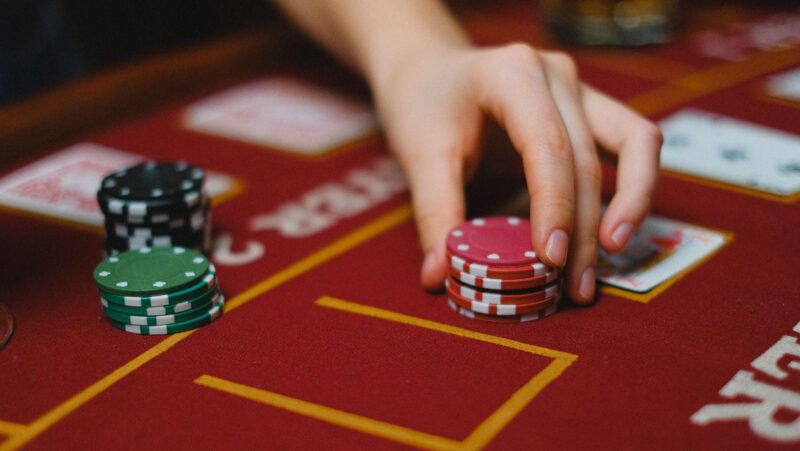
This dynamic shows up in competitive games well beyond Pokémon. Poker is the clearest parallel. Any given hand is variance. Over thousands of hands, skill dominates. And the communities that form around skill-plus-variance games follow the same pattern. People hunting for any edge they can find, watching experienced players work through decisions in real time. That's exactly the function the Pokertube brand serves for competitive card game players: a content hub where the strategy behind the variance gets decoded, the same way Discord servers and YouTube channels decode shiny odds and raid IVs for the Pokémon community.
Gambling involves risk. Play responsibly and only wager what you can afford to lose. If gambling feels like a problem, visit BeGambleAware.org.
The wavetechglobal piece on online poker tournaments makes a similar point about how tournament structure itself creates a form of controlled variance. Worth reading alongside this if the skill-meets-randomness angle interests you.
Why Variable Rewards Work Differently Than We Think
Most people assume they engage with Pokémon GO because it's fun. That's true. But a peer-reviewed systematic review published via NIH/PubMed Central, covering 36 separate studies on Pokémon GO's psychological and behavioural effects, found that the game's unpredictable reward timing was consistently the strongest predictor of continued engagement. Stronger than social features, stronger than nostalgia, stronger than physical activity benefits.
Unpredictability. Not fun, not nostalgia. Unpredictability.
That's a hard truth for game designers to sit with, because it means players aren't really responding to the content you made. They're responding to the timing structurearound that content. A shiny Rayquaza isn't compelling because it looks good (though it does). It's compelling because you genuinely don't know if you'll see one in the next five raids or the next five hundred.
Niantic has played this expertly across a decade. The Go Fest 2026 format introduces limited-time raid windows, which adds a scarcity layer on top of the randomness layer. Scarcity plus variance is a potent combination. Players can't even defer the attempt, which removes the psychological escape hatch that lets people put the game down.
The Mobile Game Design Takeaway in 2026
Pokémon GO's 10th anniversary matters beyond nostalgia because it validates a design philosophy that dozens of studios have tried to replicate with varying results. Genshin Impact's gacha pulls, Clash of Clans' chest timers, even the daily reward calendars on free-to-play card games. All of them borrow from the same well.
But most don't last a decade. Pokémon GO has, and the reason isn't intellectual property (though that helps). It's that Niantic kept the variance meaningful The shiny Gengar you hunted for three Go Fests still matters in PvP. The legendary Pokémon you raided in 2021 is still relevant in a 2026 competitive format. Rewards don't expire. Variance compounds into something that actually feels like a collection.
That's the design edge that's hard to copy. Any studio can add a random drop. Fewer can make that drop feel worth chasing five years later.
What Go Fest 2026 confirms is that the formula still works at scale. The real question is which studios will figure out how to build the same longevity into the next generation of mobile games. And whether they'll understand that they're designing for psychology first, and gameplay second.
FAQ
What is Pokémon GO's 10th anniversary celebration in July 2026? Niantic launched a series of Go Fest events to mark a full decade of Pokémon GO, including a 1,000-person Mewtwo experience in Times Square. The anniversary features elevated shiny rates, limited-time legendary raids, and community challenges designed to bring both veteran and new players back to the game simultaneously.
What is a variable-ratio reinforcement schedule in mobile games? It's a reward structure where players receive prizes after an unpredictable number of attempts. Unlike fixed schedules where every tenth action gives a reward. Variable-ratio schedules produce the most persistent engagement because the player can't predict when the next reward arrives, which keeps them playing through dry streaks.
How does Pokémon GO's raid battle system require skill? Raids aren't purely random. Players choose their Pokémon team based on type matchups, CP levels, and move sets. In PvP formats running in 2026, timing charge moves and managing shields adds a strategic layer. Outcome variance exists, but preparation and knowledge shift the odds significantly for experienced players.
Why do some mobile games last a decade while others fade after two years? Longevity usually comes down to whether rewards stay meaningful over time. Games where early drops become obsolete kill the motivation to engage. Pokémon GO kept older legendary Pokémon relevant in competitive PvP formats, meaning variance-driven rewards from 2017 still have utility in 2026. That compounds engagement rather than resetting it.
What is the Pokémon Champions ranked season running in July 2026? Pokémon Champions is a free cross-platform battle game available on mobile and Nintendo Switch, running official ranked seasons and challenge series in July 2026. It mirrors the competitive tournament structure many players already know from VGC events, letting trainers qualify, compete, and earn seasonal rewards in a more structured format than standard Pokémon GO PvP.
About the Author