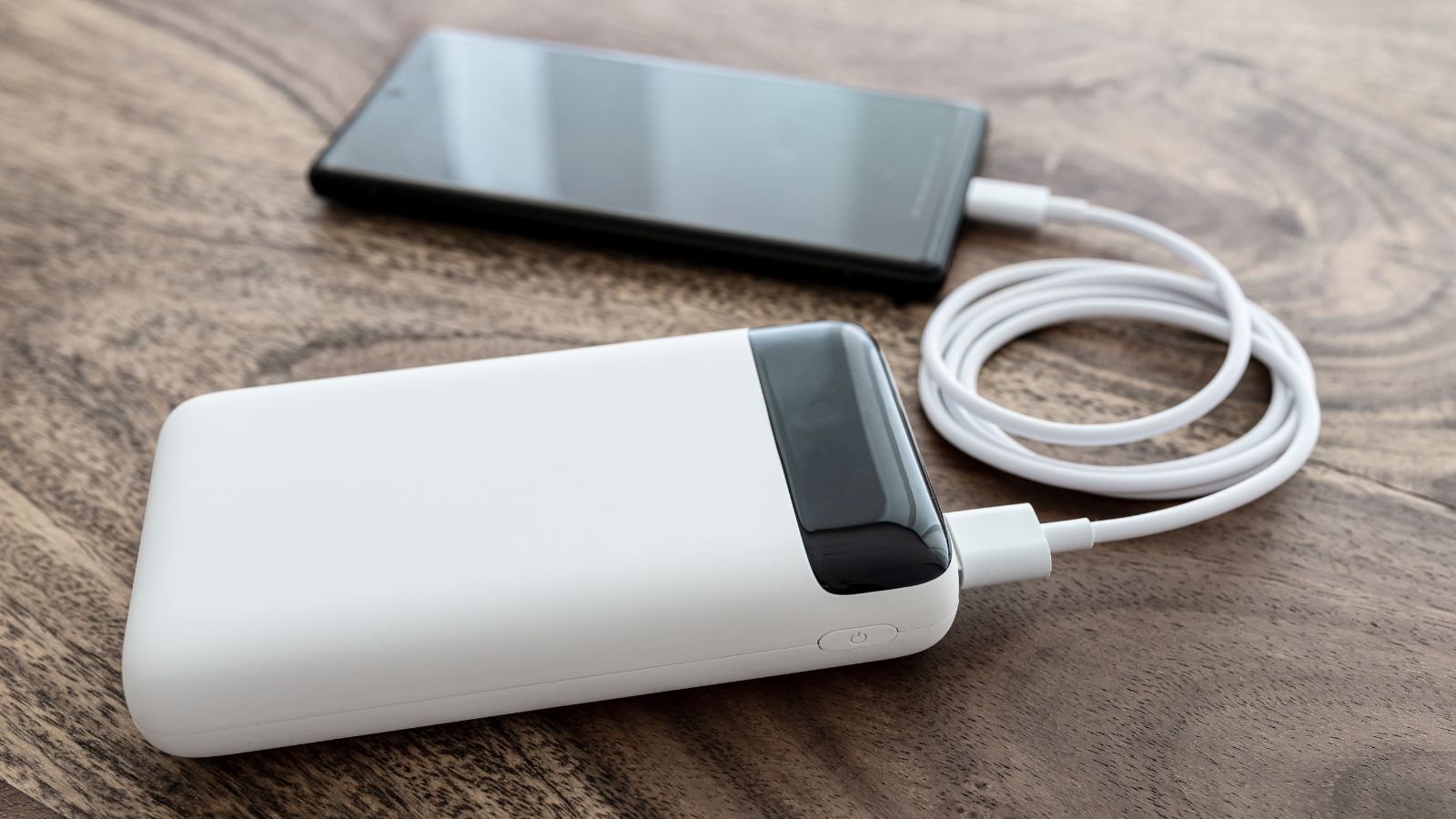
Portable technology has moved from being a specialist part of modern electronics to an everyday feature of life. Smartphones, wireless headphones, smartwatches, compact computers and other connected devices have changed how people communicate, work, travel and manage routine tasks.
The appeal is straightforward. Portable devices allow people to carry useful functions with them rather than relying on fixed equipment. That convenience has influenced product design and consumer behaviour, while creating a market where size, battery performance, usability and connectivity can matter as much as raw technical capability.
The trend is also changing expectations. Consumers increasingly want technology that fits around their routines rather than requiring them to reorganise their lives around a device.
Convenience Is Driving Product Design
One of the clearest effects of portable technology is the emphasis on convenience. Consumers often move between home, work, public spaces and social activities during the same day. Devices that can travel easily with them can make those transitions simpler.
Smartphones remain the most obvious example. A single handset can provide access to communication, banking, navigation, entertainment, photography and online services. Improvements in mobile hardware have allowed manufacturers to place increasingly capable technology into relatively compact devices.
Other products have followed the same direction. Wireless earbuds have reduced dependence on cables, while smartwatches can provide notifications, health-related information, navigation and other functions without requiring users to reach for a phone.
The result is a broader expectation that technology should be accessible whenever it is needed.
Smaller Does Not Necessarily Mean Less Capable
Modern portable products demonstrate how advances in engineering can reduce physical size without removing useful functionality.
Battery technology, semiconductor development, wireless connectivity and improved manufacturing techniques have all contributed to more compact consumer electronics. Components can now perform tasks that once required considerably larger equipment.
This has opened opportunities for manufacturers to rethink familiar products. Cameras, computers, speakers and gaming devices have all benefited from improvements in portability.
However, compact design involves compromises. Smaller products can have limited battery capacity, reduced physical controls or less space for cooling and internal components. Manufacturers therefore have to balance size with performance, durability and ease of use.
Consumers are increasingly aware of these trade-offs. A device that is extremely small may not be attractive if it needs constant charging or sacrifices important features.
Portable Products Are Changing Daily Routines
The influence of portable technology extends beyond the devices themselves. It is also affecting how people organise their day.
Navigation apps can help travellers adjust routes in real time. Mobile payment services can reduce the need to carry cash or physical cards. Cloud-based software allows workers to access documents and communicate with colleagues from different locations.
Entertainment has changed in a similar way. Streaming services and mobile applications mean music, films, podcasts and games can be accessed from almost anywhere with an appropriate internet connection.
This flexibility has made technology less tied to specific locations. A task that once required a desktop computer or dedicated equipment can increasingly be completed through a smaller connected device.
Product Choice Is Becoming More Personal
Portability also allows consumers to select products based on how closely they fit individual routines.
Someone who travels frequently may prioritise battery life and lightweight construction. Another consumer may value durability, processing power or connectivity more than weight.
This has encouraged manufacturers to develop products for increasingly specific use cases. Instead of creating one product designed for everyone, companies can differentiate through features, dimensions, accessories and software ecosystems.
The same principle can be seen beyond conventional electronics. Products designed for convenience and portability are appearing across different consumer categories, with users often assessing how easily an item fits into their existing routine.
Even searches for products such as lost mary prefilled pods can be viewed within this wider consumer trend towards compact, ready-to-use formats, although such products remain subject to the laws and regulations applicable in each market.
Connectivity Has Increased the Value of Portable Devices
Portability becomes more useful when devices can communicate with one another.
Wireless standards such as Bluetooth and Wi-Fi allow products to connect without physical cables. Cloud services can synchronise information between devices, while mobile networks allow users to remain connected outside traditional fixed broadband environments.
This interconnected approach has created technology ecosystems rather than isolated products. A smartwatch can work alongside a smartphone, while wireless headphones can switch between compatible devices. Smart home products can also be managed remotely through mobile applications.
The convenience is significant, but it also creates new considerations around privacy, security and data management. The more connected devices become, the more important it is for manufacturers and users to understand how information is collected, stored and shared.
Battery Life Remains a Key Challenge
Portability depends heavily on power. A device may have excellent features and a compact design, but limited battery life can reduce its practical usefulness.
Battery development has therefore become an important part of the consumer technology market. Manufacturers are seeking to improve capacity while maintaining reasonable weight and physical size.
Charging technology has also developed. Faster charging can reduce the amount of time users need to keep devices connected to a power source, while wireless charging offers greater convenience for compatible products.
Even so, battery capacity remains an important consideration when consumers compare portable devices. For people who travel or spend long periods away from charging points, battery performance can be more important than having the latest additional feature.
The Next Stage of Portable Technology
Portable technology is likely to continue influencing product development as consumers seek greater convenience without sacrificing performance.
Future progress will depend on several areas, including battery technology, miniaturised components, wireless connectivity, software and materials. Improvements in these fields could allow manufacturers to create smaller or lighter products while maintaining useful functionality.
At the same time, consumers are likely to remain selective. Portability alone does not guarantee a successful product. People still expect reliability, security, durability and clear value for money.
The strongest products will therefore need to combine compact design with practical performance. Technology that disappears into everyday routines may ultimately prove more useful than products that demand constant attention.
Portable technology has already changed how people communicate, work and entertain themselves. Its influence now extends into broader lifestyle choices, encouraging a preference for products that are flexible, convenient and designed around real-world use. As manufacturers continue to refine this approach, portability is likely to remain an important force shaping the next generation of consumer products.
About the Author